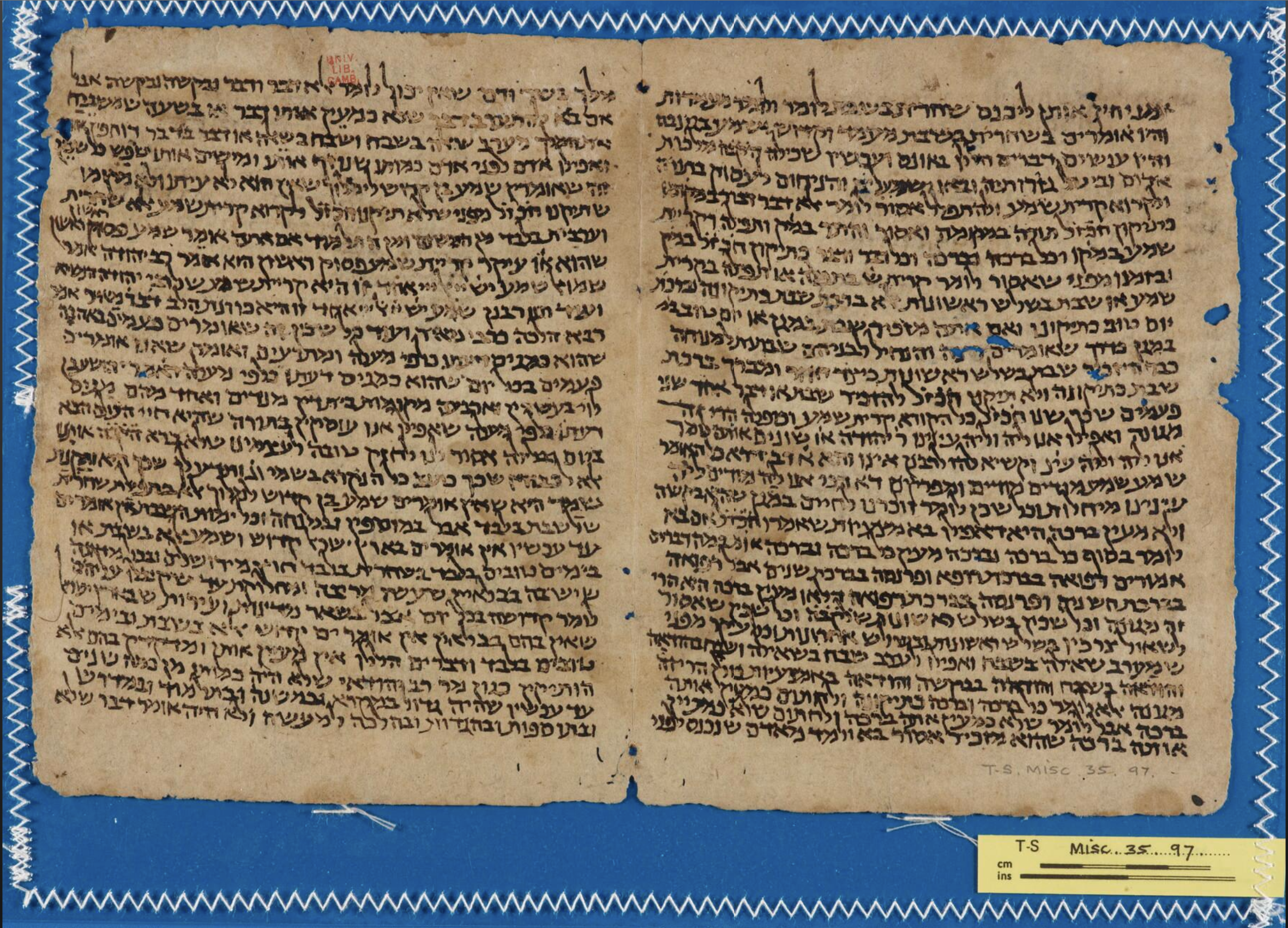
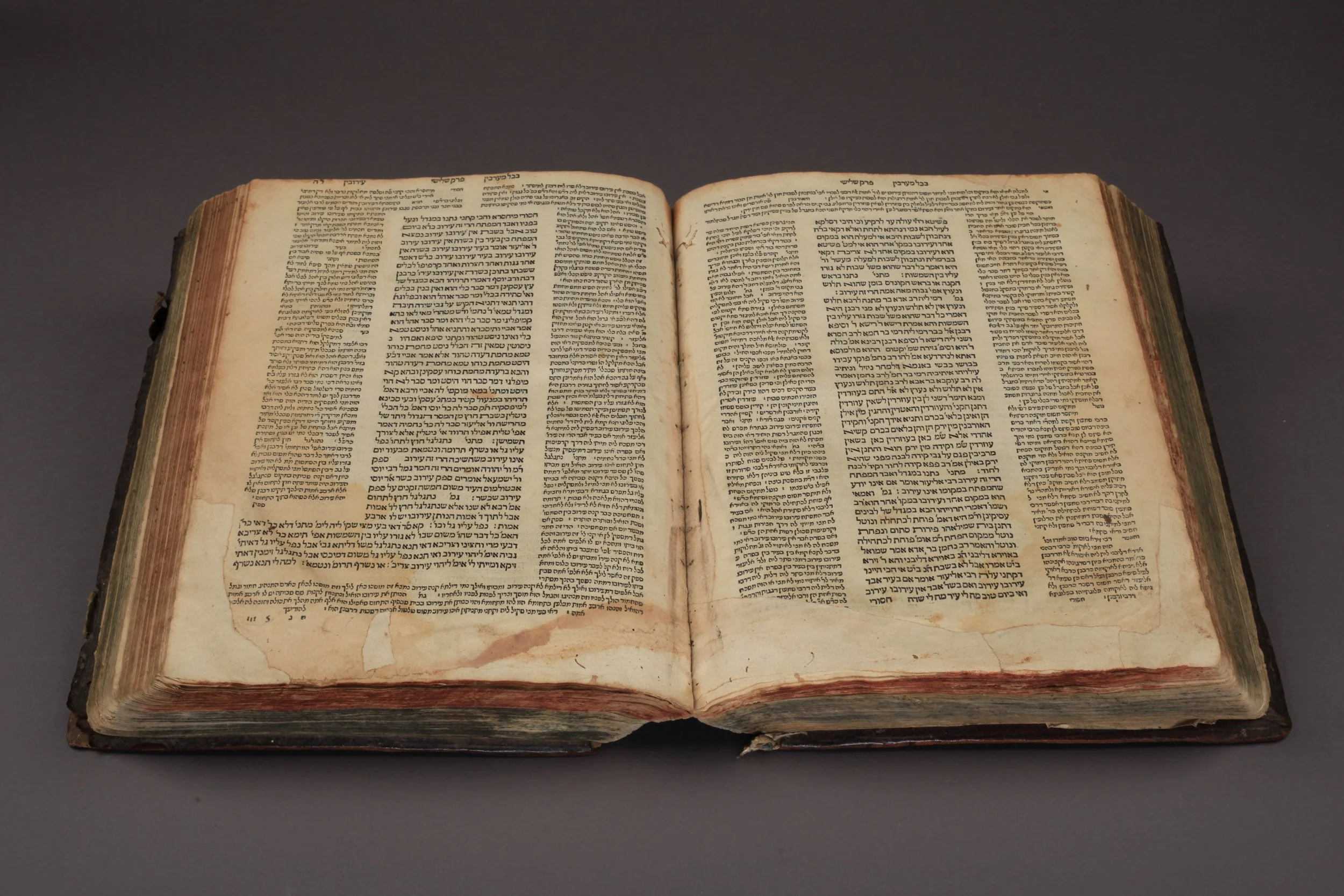
The book historical question that I will focus on here is the question of the Talmud’s initial reception, of what we may call its canonization. And I mean this not in the sense of its coalescing as a work, though that is still profoundly unclear, but in the sense of how the Talmud became the most central work for defining what Judaism is and should be—well before, even a millennium before, it became a popular book and a part of popular piety.
Read More
[O]ne major and simple contribution that Bavli Studies can make as a recognized (sub)field is to bring together scholars studying the Bavli’s formation and those studying its reception history.
Read More
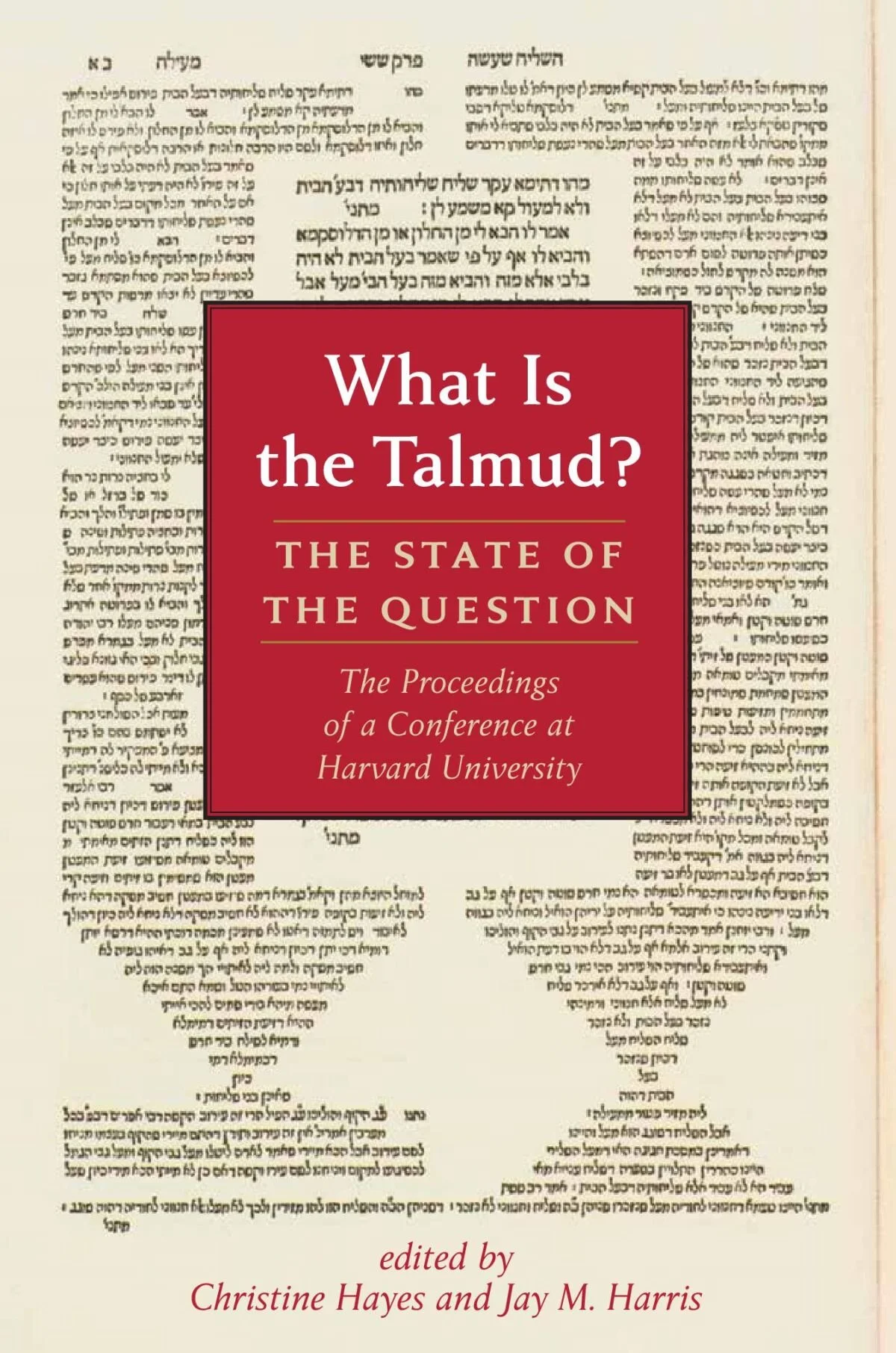
In anticipation of the publication of the conference proceedings, the volume editors convened a roundtable discussion at the 2025 Association for Jewish Studies annual conference.At the roundtable, several scholars discussed the question "What is the Talmud?" and considered how diverse answers to that question have shaped and will continue to shape the field of Bavli Studies. The responses by Alyssa Gray, Simcha Gross, and Yitz Landes are presented below.
Read More
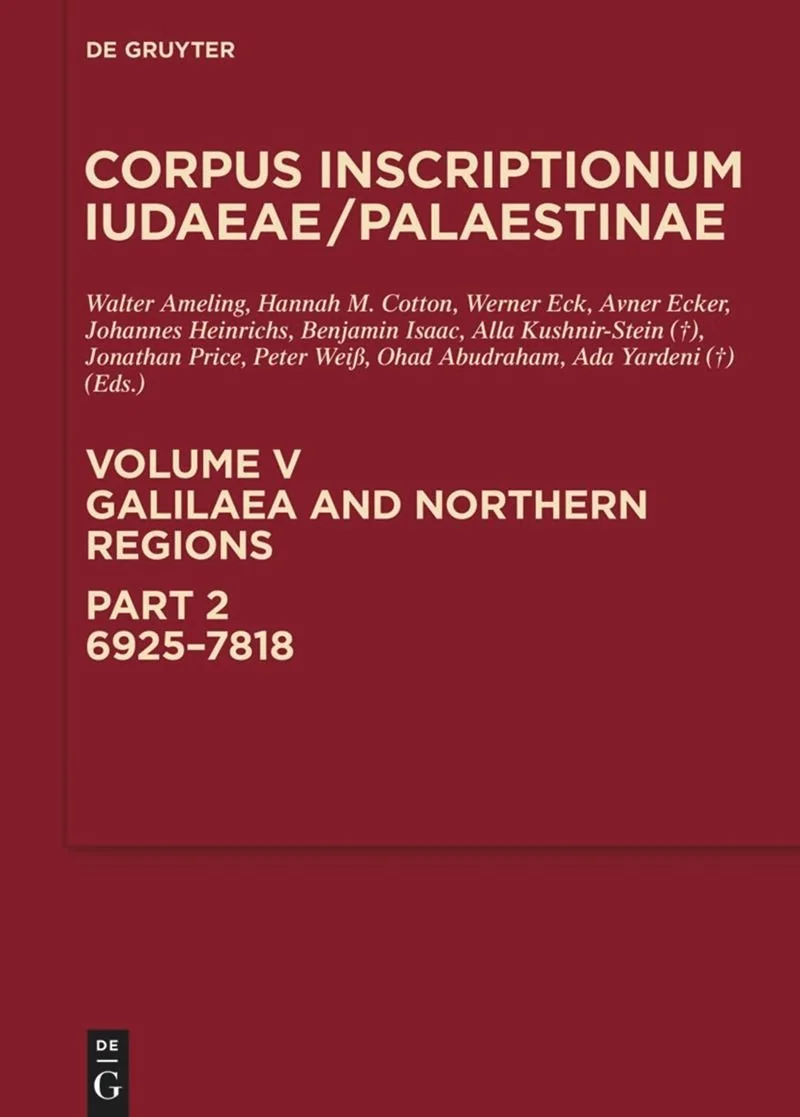
The intended audience for CIIP 5 consists of scholars specializing in the study of early Judaism, early to late antique Christianity, and the early Islamic period. However, given that every inscription is translated into English, non-specialists interested in any of these time periods in this location will benefit from this epigraphic collection.
Read More
It is my hope that scholars who specialize in the study of texts will recognize that archaeology is not only relevant but indeed vital to their own research.
Read More
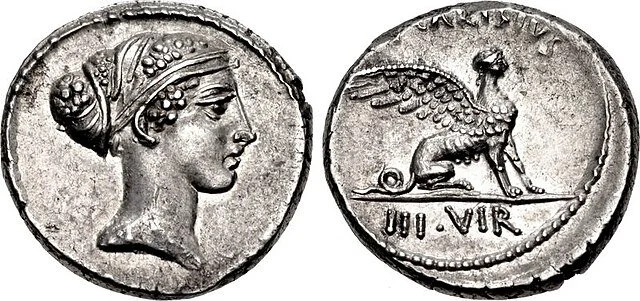
The endurance of Sibyl’s authoritative voice invites analysis by students and scholars interested in gender and antiquity. Throughout the collection's literary, theological, and historical complexities, the one unifying constant is the sibyl herself, an ancient and respected woman prophet.
Read More
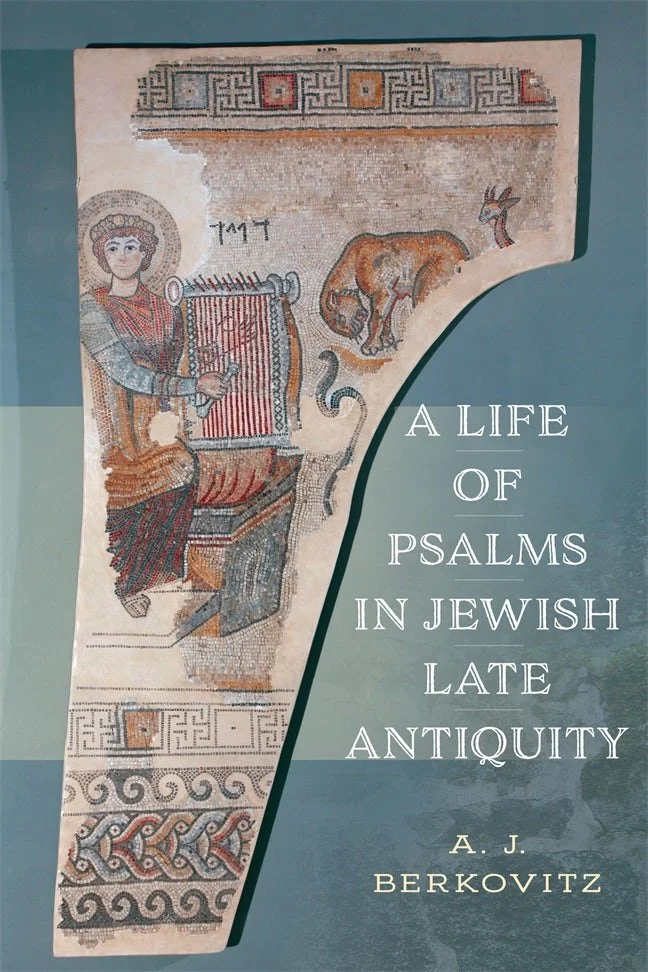
He moves the question of reception away from strictly exegetical approaches that look for a history of interpretation within a world of ideas, and towards how Jews in Late Antiquity encountered physical scrolls of psalms, how they incorporated them into their liturgical practices, and how psalms played a role in practical religion (e.g., piety and magic).
Read More
"One difference between my first book and my most recent one is that this time I let my freak flag fly. My freak vegan flag. What Animals Teach Us about Families is, covertly, a memoir about my becoming a vegan.”
Read More
The sometimes “serendipitous accident” of moving to secondary education can prove to be an enriching, fruitful, and also quite fun experience for academics-turned-high-school-teachers. And while the nature of this work prioritizes teaching and pedagogical development, many academics who have taken it up for themselves have found diverse ways to continue to pursue and publish research.
Read More
I wish I could say my move to secondary education was grounded in thoughtful reflection or a profound sense of calling that I’d known and honored my whole life. Instead, it was a kind of serendipitous accident that required a big leap of faith. Of course, so are most of the fun things that life sends our way.
Read More
The relationship between my writing and teaching is different now…. There is a bit more joy in my writing process than there used to be, and that communicates in my teaching. The time I take on a snow day to cultivate my own creative work is good for morale. Writing has always been a positive process for me, but it is especially so now that my professional future in the academy no longer hinges on my ability to quickly and unrelentingly generate monographs and articles.
Read More
Another apt turn of phrase for Boarding School Life is: “it is not a difficult job, but it is a demanding one.” But the benefits, in my mind, far outweigh the costs. If you really enjoy teaching, coaching, and mentoring excited and curious young people, this might be an avenue you should seriously consider.
Read More
Secondary-turned academics are indispensable not merely for their banausic training and credentials. At their best, scholars of the humanities embody love of learning and wisdom over mere appearance and sophistry. Where institutions of learning tilt toward test-prep and job training, PhD-trained teachers must fight to keep alive a humanistic appreciation of learning for its own sake.
Read More
In Contra Celsum, Origen deepens this association between incorporeal intermediaries and what we typically classify as constituting the political.
Read More
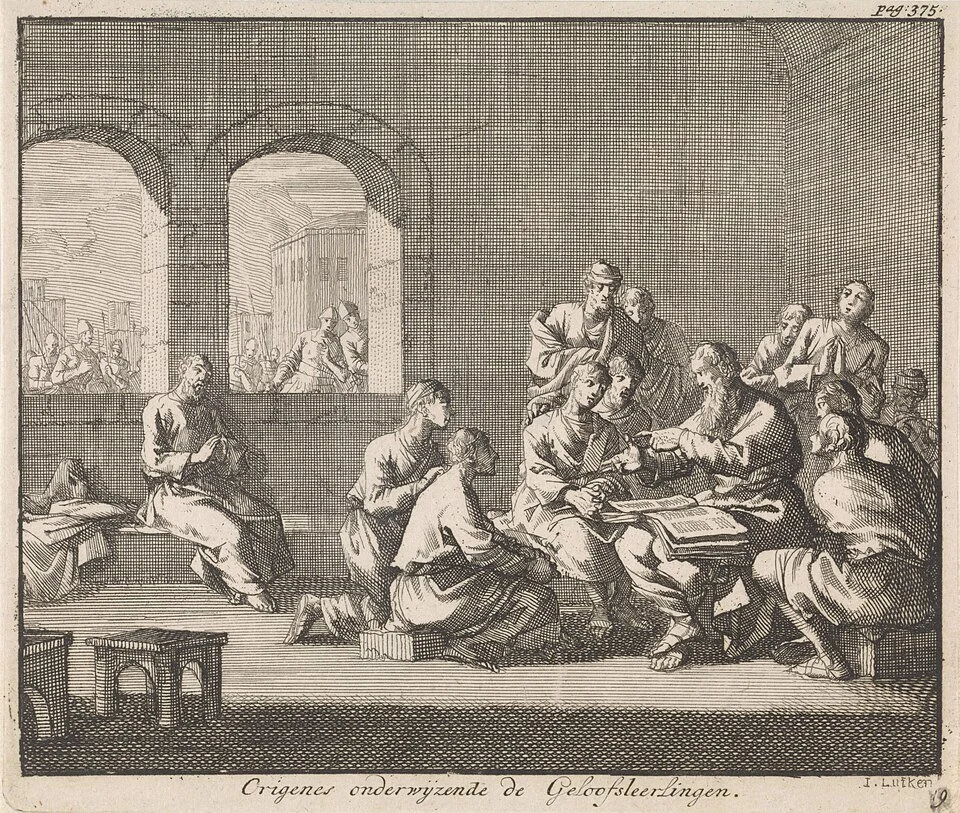
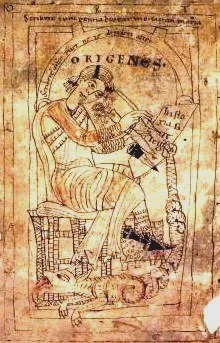
Origen too imitated Socrates’s example, not least in his approach to rational inquiry. Origen frequently speaks of Socrates as a model philosopher, though he is not above criticism.
Read More
Joseph Trigg and Robin Darling Young posit the unabashedly philosophical character of Celsus’s challenge and Origen’s response as the basis of their project.
Read More
In this short tribute to Origen and his translators, I suggest that, among much else, Origen shows paradoxically how strong a mainstream polytheist’s case could be against Christianity in the second century, and how even a brilliant apologist could struggle to meet it.
Read More
A forum in celebration of Robin Darling Young and Joseph Wilson Trigg’s The Contra Celsum of Origen: English Translation and Facing Greek text (Washington and Cambridge: Harvard University Press/Dumbarton Oaks, 2026).
Read More
Celsus’ views about empire and cult, whether they were pagan or Christian, were far from dead in the fourth century; they appear in Christian sermons and treatises – not just in their pagan echoes in Porphyry and Julian.
Read More
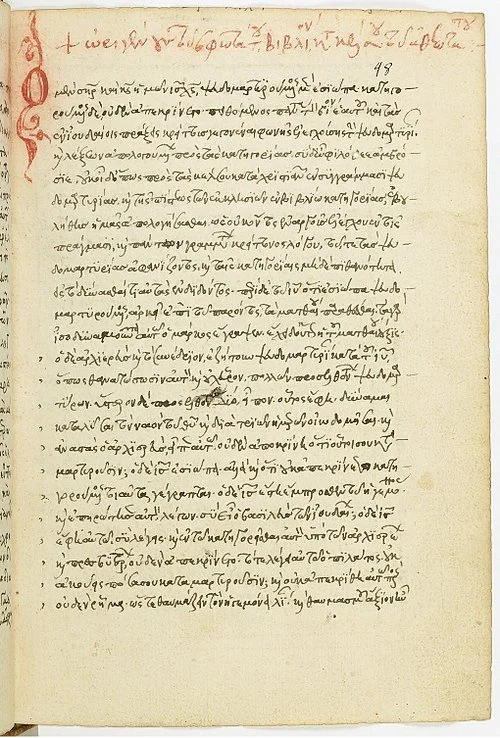
Byzantium preserved Contra Celsum because it demonstrated that Christianity was compatible with Hellenism. Renaissance humanism welcomed it because, in doing so, Origen demonstrated that Hellenism was compatible with Christianity.
Read More