
At the 2025 Annual Meeting of the Society of Biblical Literature, the Inventing Christianity Unit sponsored a panel honoring the work of Elizabeth Castelli, highlighting her landmark 2004 book, Martyrdom and Memory.
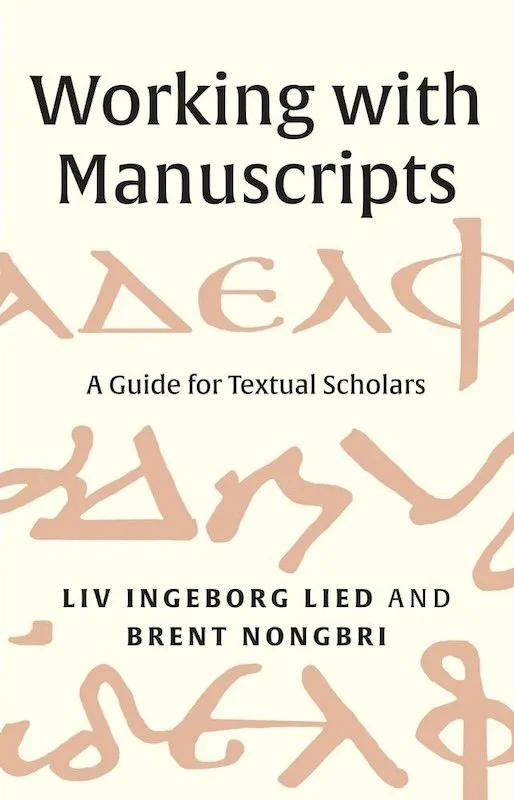
“Throughout, the book keeps in focus the materiality of manuscripts and the embodied aspects of the craft of manuscript research. Although subtitled “A Guide for Textual Scholars,” this volume insists that we can neither sever ancient text from the papyri, parchment, or paper on which it has been transmitted, nor separate ourselves as scholars from the histories, networks, and institutions that have brought the researcher and the manuscript into contact.”
In her groundbreaking 2004 book Martyrdom and Memory: Early Christian Culture Making, Elizabeth Castelli memorably shifted our gaze from the martyrs’ torn bodies to their hagiographers, requiring us to consider how these narrators shaped their stories and to what ends, with a firm eye on such studies’ relevance for our own world.
At the 2025 Annual Meeting of the Society of Biblical Literature, the Inventing Christianity Unit sponsored a panel honoring the work of Elizabeth Castelli, highlighting her landmark 2004 book, Martyrdom and Memory.
In responding to these papers, I have not followed the order in which they appeared on the program, but I have rearranged them in order to try to highlight and feature their contributions to our broader discussion about martyrdom in early, late ancient, and contemporary Christianity.
Do martyrs matter in martyrdom? This may seem like a question with an obvious answer. How could they not? Surely martyrdom is all about the martyrs, and without martyrs, there would be no martyrdom?
She has made clear, across a welter of publications, that in the study of early Christianity, the first matter a scholar needs to investigate is the parameter of time: how is it working in the text under study and how is it working for the reader, as she studies the text?
“This volume, it seems, substantively demonstrates how it is possible to study Jewish cultures (to borrow David Biale’s preferred terminology) as a plurality, while allowing readers to consider—in their own analyses—what might be the unified or unifying elements that draw Jews from different regions, of different life experiences and statuses, into common cultural webs.”
“Throughout, the book keeps in focus the materiality of manuscripts and the embodied aspects of the craft of manuscript research. Although subtitled “A Guide for Textual Scholars,” this volume insists that we can neither sever ancient text from the papyri, parchment, or paper on which it has been transmitted, nor separate ourselves as scholars from the histories, networks, and institutions that have brought the researcher and the manuscript into contact.”
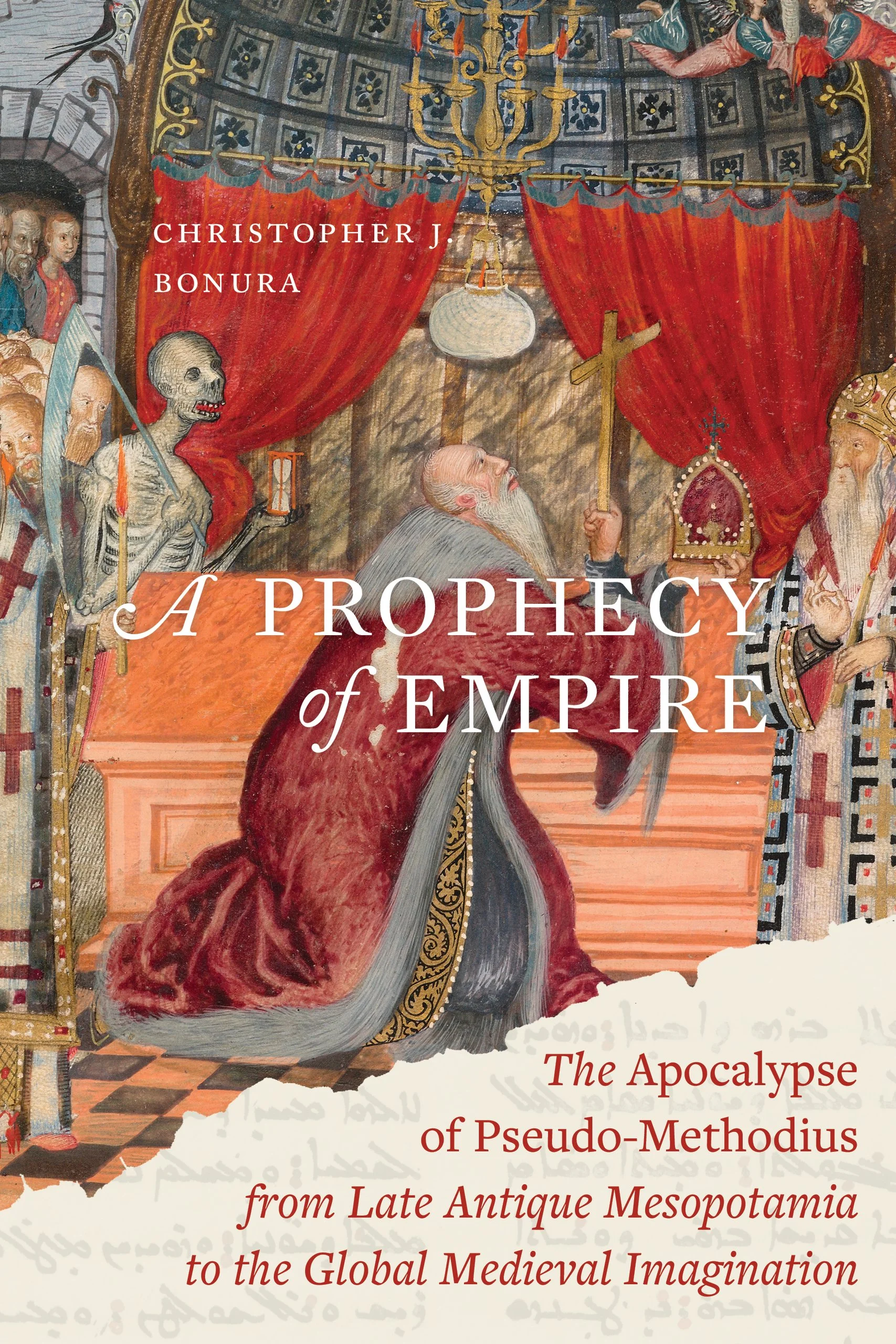
Christopher Bonura’s treatment of Pseudo-Methodius’ origins and return to the source itself, shorn of centuries of interpretive baggage, lays a new foundation for future scholarship on this generative source.
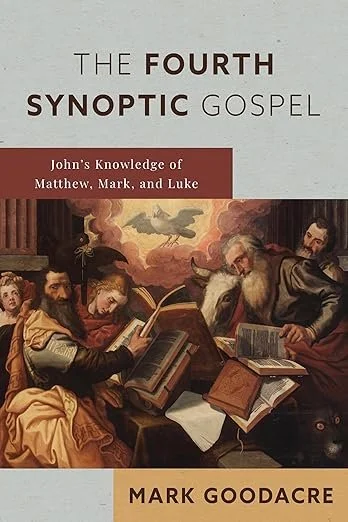
In The Fourth Synoptic Gospel, Mark Goodacre challenges this perspective and attempts to demonstrate that the author of the fourth gospel was not only aware of the Synoptic Gospels but also used them in the writing of their gospel text.
Graf serves as an able guide for readers through the complex ideas of Stoicism, Seneca’s philosophical vision, and affect theory. Readers less familiar with Senecan ideas will likely find this book a helpful introduction.
In Unfinished Christians, Frank focuses on literary records produced in and for shared spaces, liturgical and otherwise, where ordinary Christians would have gathered for various religious rites.