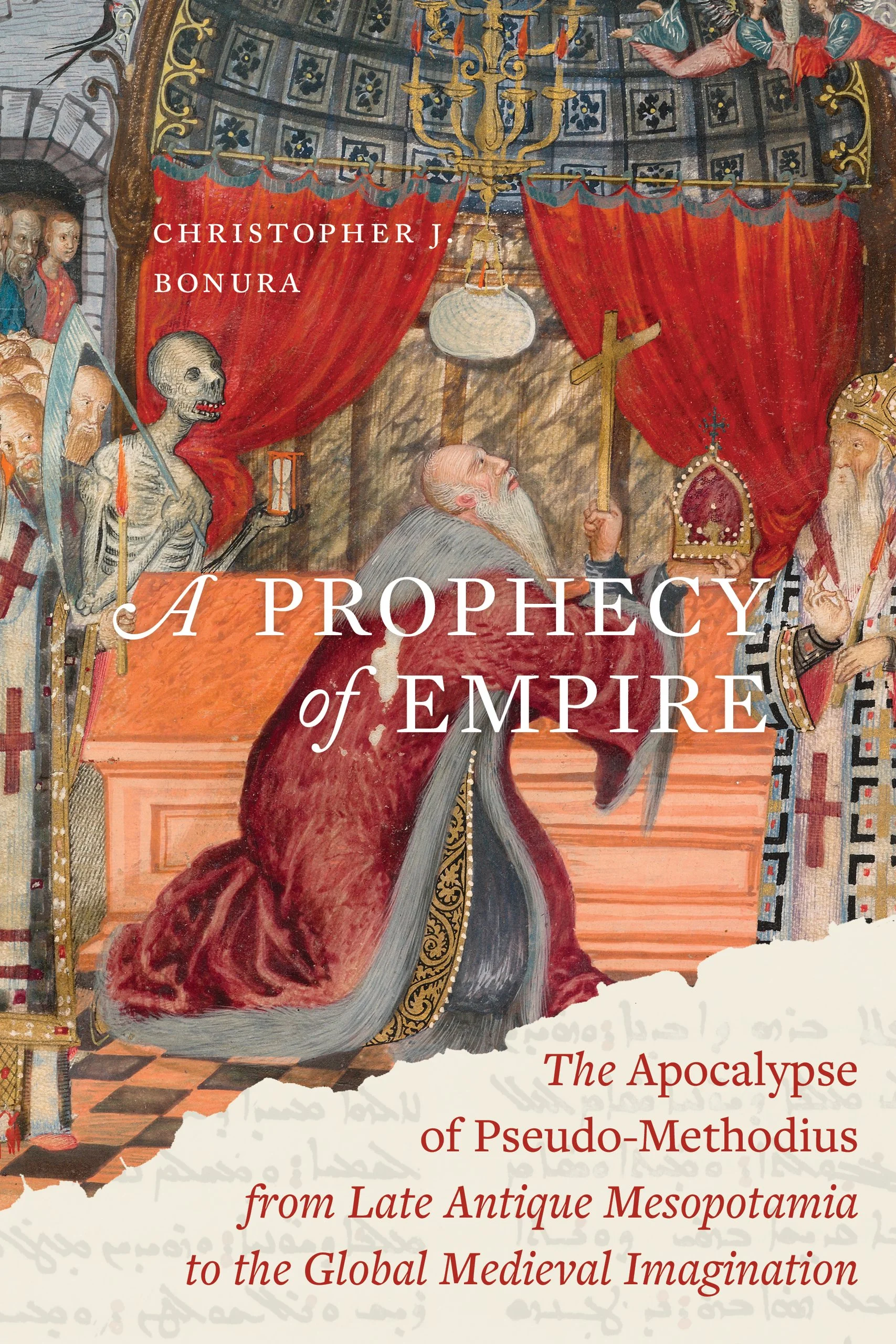
Christopher Bonura’s treatment of Pseudo-Methodius’ origins and return to the source itself, shorn of centuries of interpretive baggage, lays a new foundation for future scholarship on this generative source.
Read MoreJewish Cultures and Material Artifacts
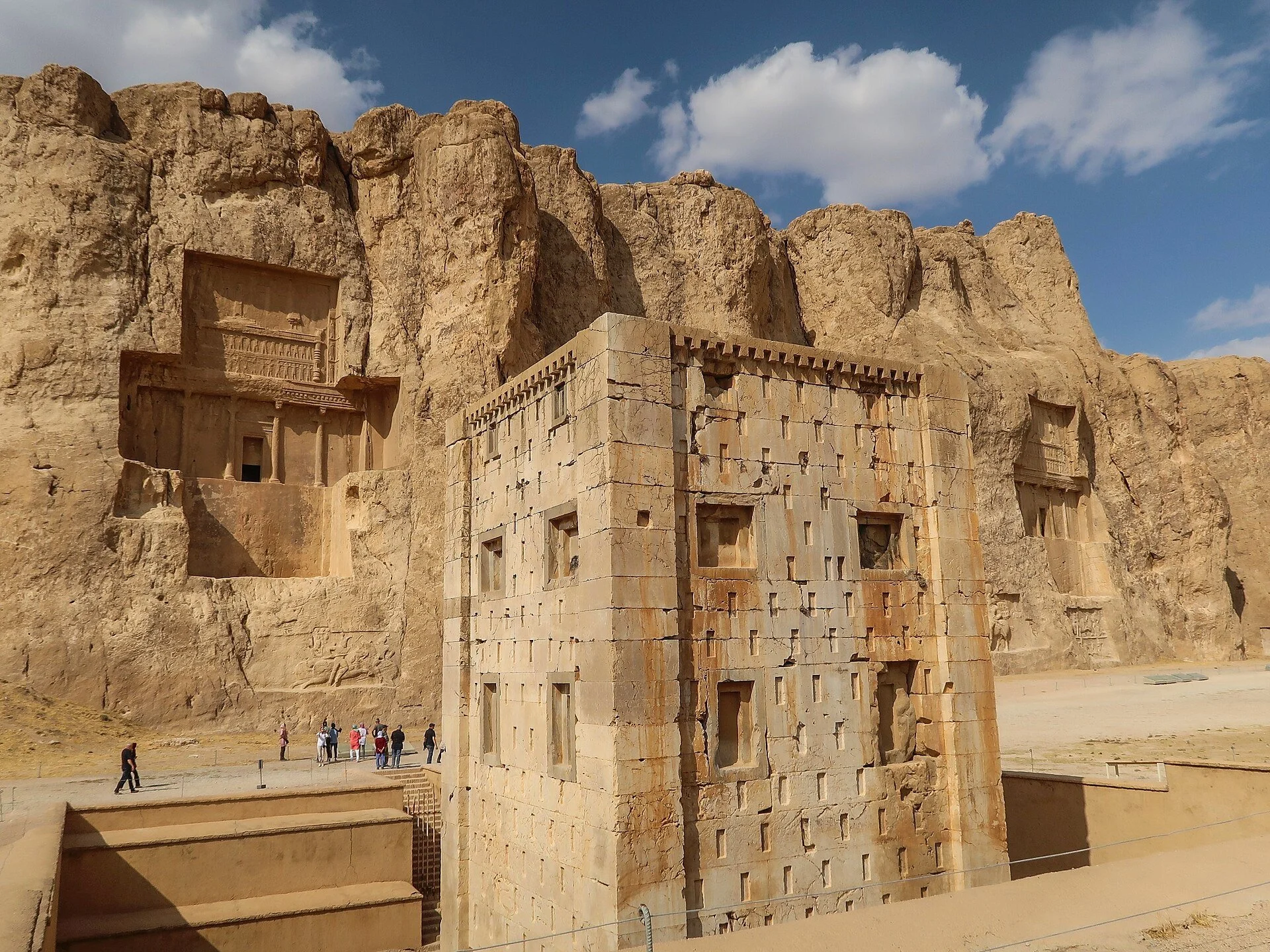
Naqsh-e Rustamnecropolis in Iran via Wikicommons
Naqsh-e Rustamnecropolis in Iran via Wikicommons
“This volume, it seems, substantively demonstrates how it is possible to study Jewish cultures (to borrow David Biale’s preferred terminology) as a plurality, while allowing readers to consider—in their own analyses—what might be the unified or unifying elements that draw Jews from different regions, of different life experiences and statuses, into common cultural webs.”
Read MoreThe Limits of Jewish Identity
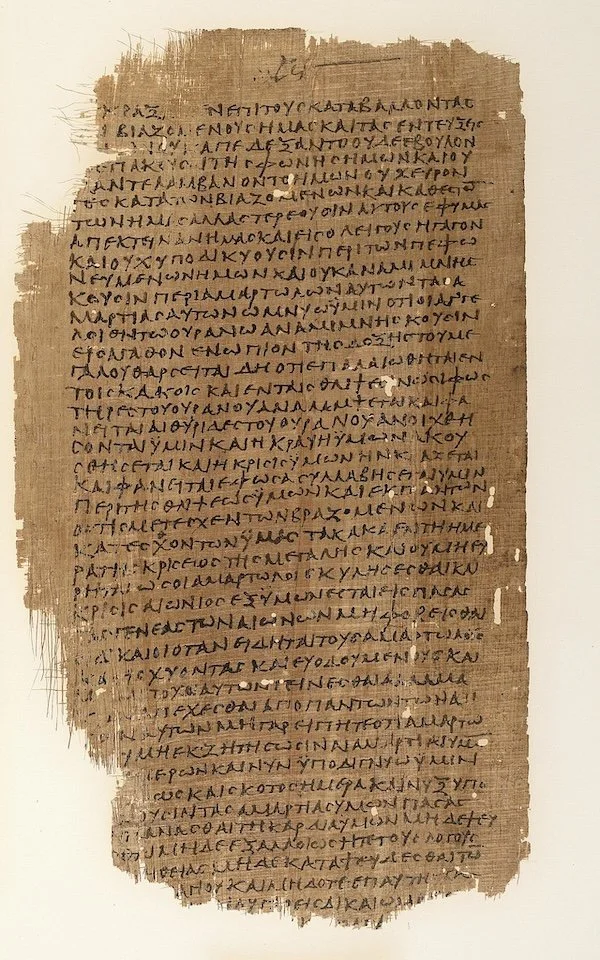
The backside of P.Mich.inv. 5552, showing portions of the Book of Enoch in Greek. Part of the Chester Beatty Papyri.
The backside of P.Mich.inv. 5552, showing portions of the Book of Enoch in Greek. Part of the Chester Beatty Papyri.
“To deny the Jewish origin of a work like the Similitudes is to suppress an aspect of pre-rabbinic Judaism because it would later prove more congenial to Christians than to rabbinic Judaism.”
Read MoreA Retrospective from Joel Kaminsky
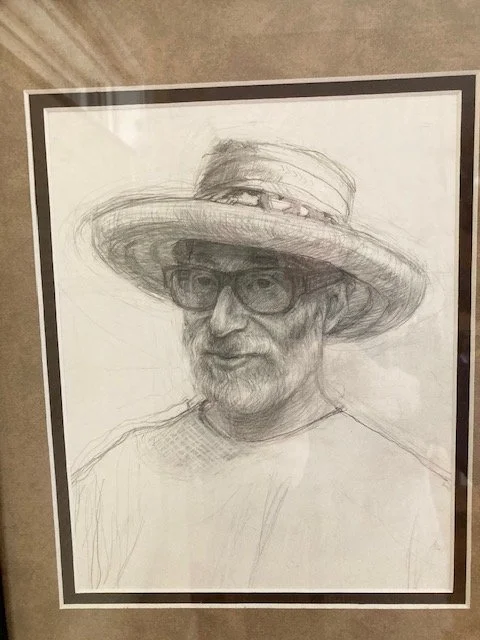
“Van Joel” by Katherine Schneider.
“Van Joel” by Katherine Schneider.
“My scholarship was also affected by the fact that I was a Jew working in a field dominated by Christians, even as I am indebted to many Christian scholars, mentors, and colleagues who worked to bring Jewish voices into the field. “
Read MoreThe Minutiae of Progress and the Detritus of Change: On Bond’s Labor History of the Ancient Mediterranean
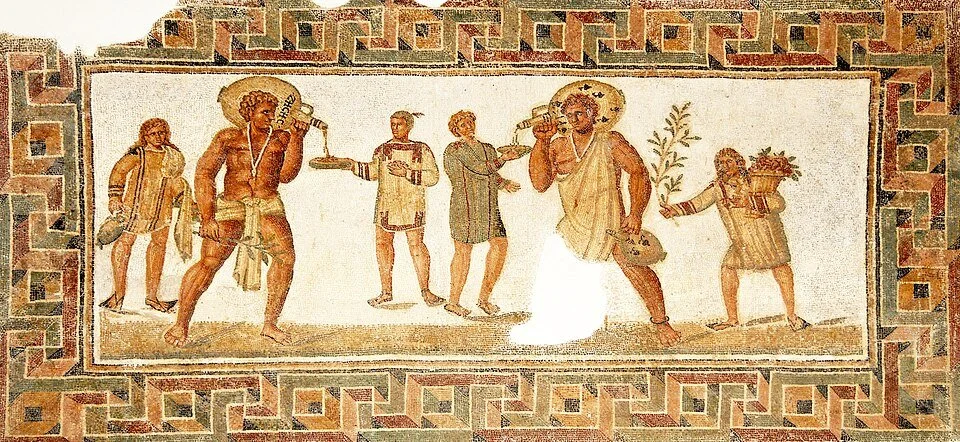
Roman mosaic from Dougga, Tunisia (2nd/3rd century CE). Image source: Wikimedia Commons.
Roman mosaic from Dougga, Tunisia (2nd/3rd century CE). Image source: Wikimedia Commons.
I think this needs to be a multilayered conversation. On the one hand, religion is both used by elites for regulatory function, bureaucratic specialization, and legal structuring, and by non-elites to inspire collective action or to provide social cohesion.
Read MoreAncient Associations and Collective Labor Action in Sarah Bond’s Strike

Funerary relief depicting shopkeepers (ca. 200-300 CE). Royal Ontario Museum (Image source: Wikimedia Commons).
Funerary relief depicting shopkeepers (ca. 200-300 CE). Royal Ontario Museum (Image source: Wikimedia Commons).
First, the initial three chapters, which cover the Roman Republic, read like a new history of Rome, one that shows how ingrained collective labor action really was in Roman society.
Read MoreA Response to Sarah Bond's Strike!
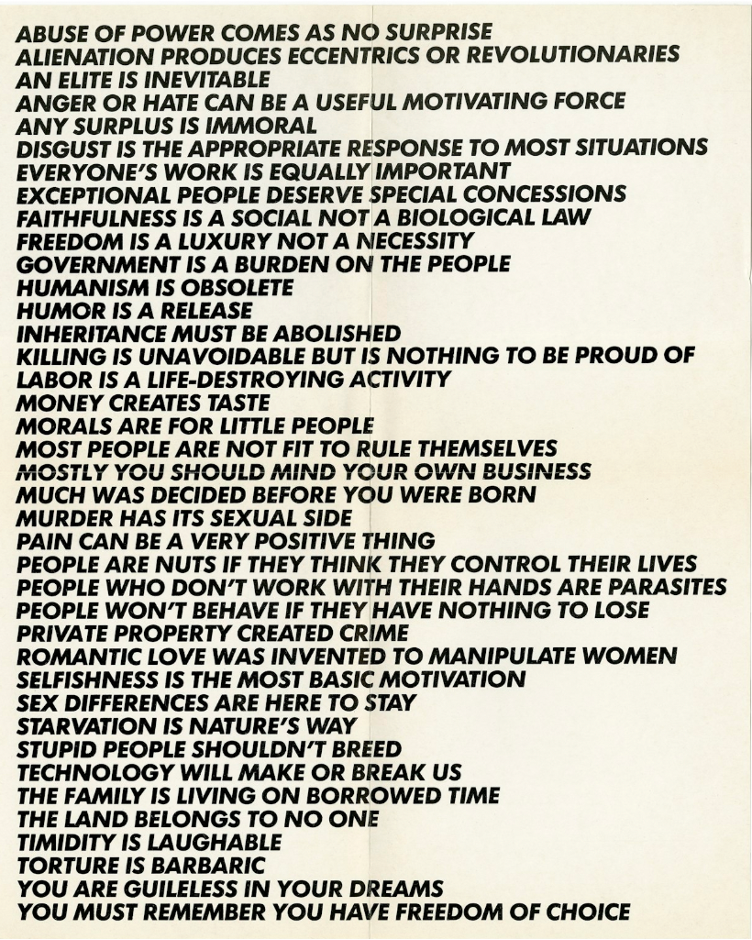
Dimensions 8-1/2 x 8-1/2 x 1/2 inches book
Medium offset lithograph on paper Accession Number LIB2000.432.1-.2
Copyright © Jenny Holzer / Artists Rights Society (ARS), New York
Credit Line: Rosemary Furtak Collection, Walker Art Center Library
Dimensions 8-1/2 x 8-1/2 x 1/2 inches book
Medium offset lithograph on paper Accession Number LIB2000.432.1-.2
Copyright © Jenny Holzer / Artists Rights Society (ARS), New York
Credit Line: Rosemary Furtak Collection, Walker Art Center Library
Prof. Sarah Bond is perpetually unsurprised at abuses of power, yet she is also perpetually ethically aggrieved by them. Her new book, Strike! is grounded in an ethical interest in the historical abuses of power on two levels: the abuse of power in the ancient Mediterranean world, and the witting or unwitting power of historians to write out of the record of the ancient Mediterranean the possibility of resistance, organizing, and the agency of laborers.
Read MoreStrike: A 2025 SBL Review Panel
The following remarks were delivered at a book review panel on November 22, 2025, at the Society of Biblical Literature Annual Meeting in Boston.
Read MoreEarthquakes and Gardens Forum: A Response
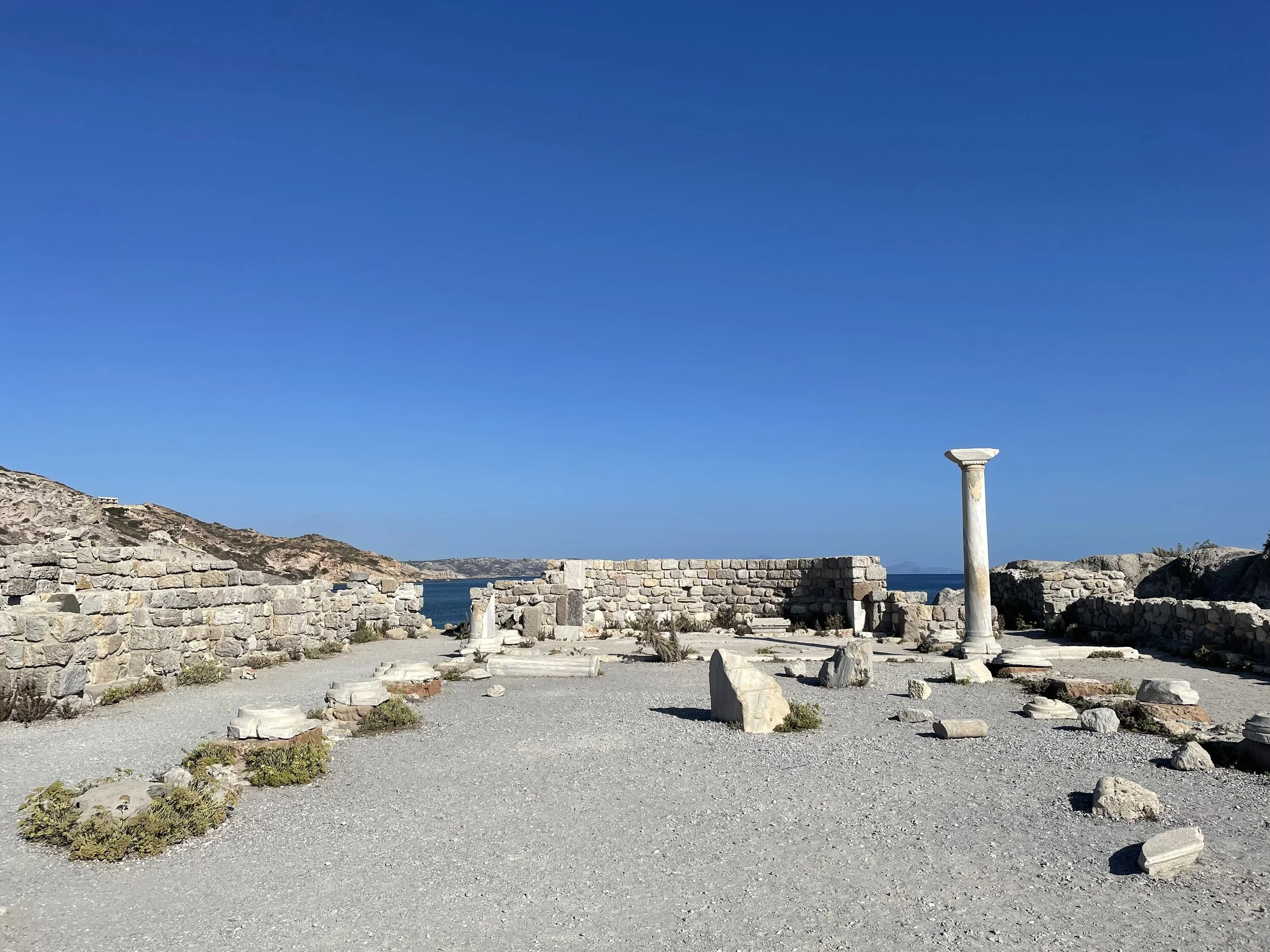
Image courtesy of John Penniman.
Image courtesy of John Penniman.
Earthquakes and Gardens is a deeply idiosyncratic book. It is experimental in a number of ways, and experiments do not always succeed—certainly not for every reader.
Read MoreFalling to Pieces
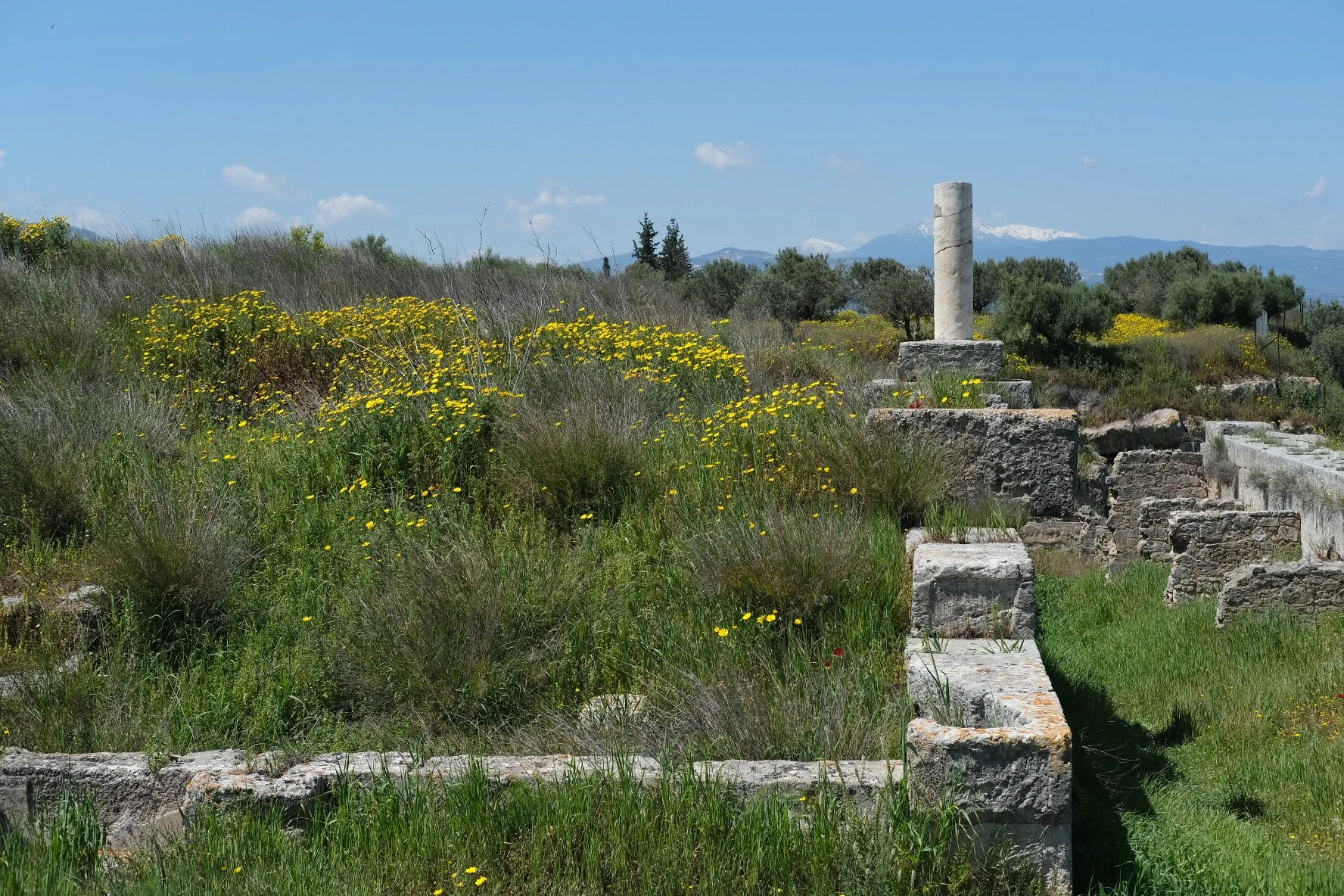
Image courtesy of John Penniman.
Image courtesy of John Penniman.
Burrus urges us to curate earthquakes, but I also wonder if she asks us to consider whether we might be more earthquake than curator. How much of our control is an illusion? How different are we from the rest of the world?
Read MoreHaunted Reading(s): A Response to Earthquakes and Gardens
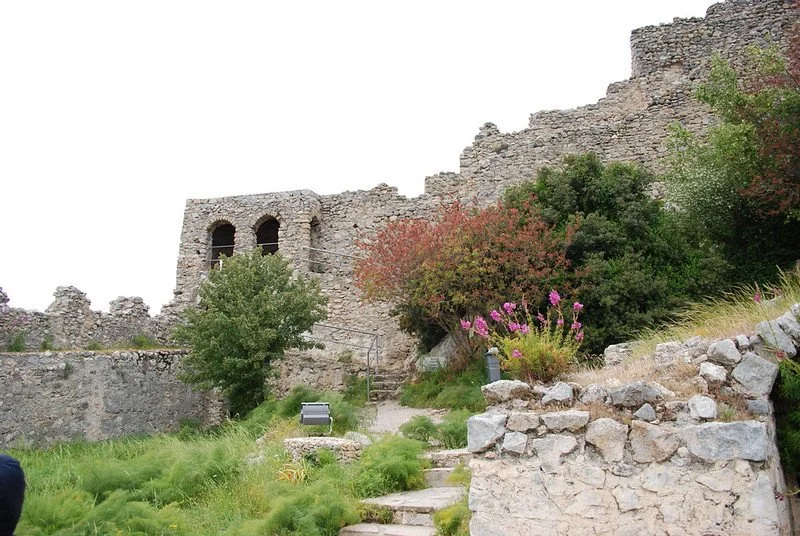
Saint Hilarion Castle, Cyprus. Image Source: Flickr.
Saint Hilarion Castle, Cyprus. Image Source: Flickr.
Burrus wildly and intentionally reads Jerome and Hilarion forward alongside contemporary art, histories of cartography, and modern sciences of geology and seismology. She cites artifacts and photographs from affiliated but not scholarly-verified sites in Cyprus.
Read MoreBuilding a Garden Nest: Burrus’s Hagiogeography of Jerome’s Hilarion

Karpaz, Northern Cyprus [Image: Wikimedia Commons].
Karpaz, Northern Cyprus [Image: Wikimedia Commons].
Using the idea of recursive connection to a locus—a place—that is also a time, a feeling, a sensation—Burrus invites us to see other connections beyond ancient hagiography and into other quasi-historical imaginariums.
Read MoreSpoliating the Fathers: On Burrus, Ruins, & the Self-Reflective Gesture in Late Antiquity
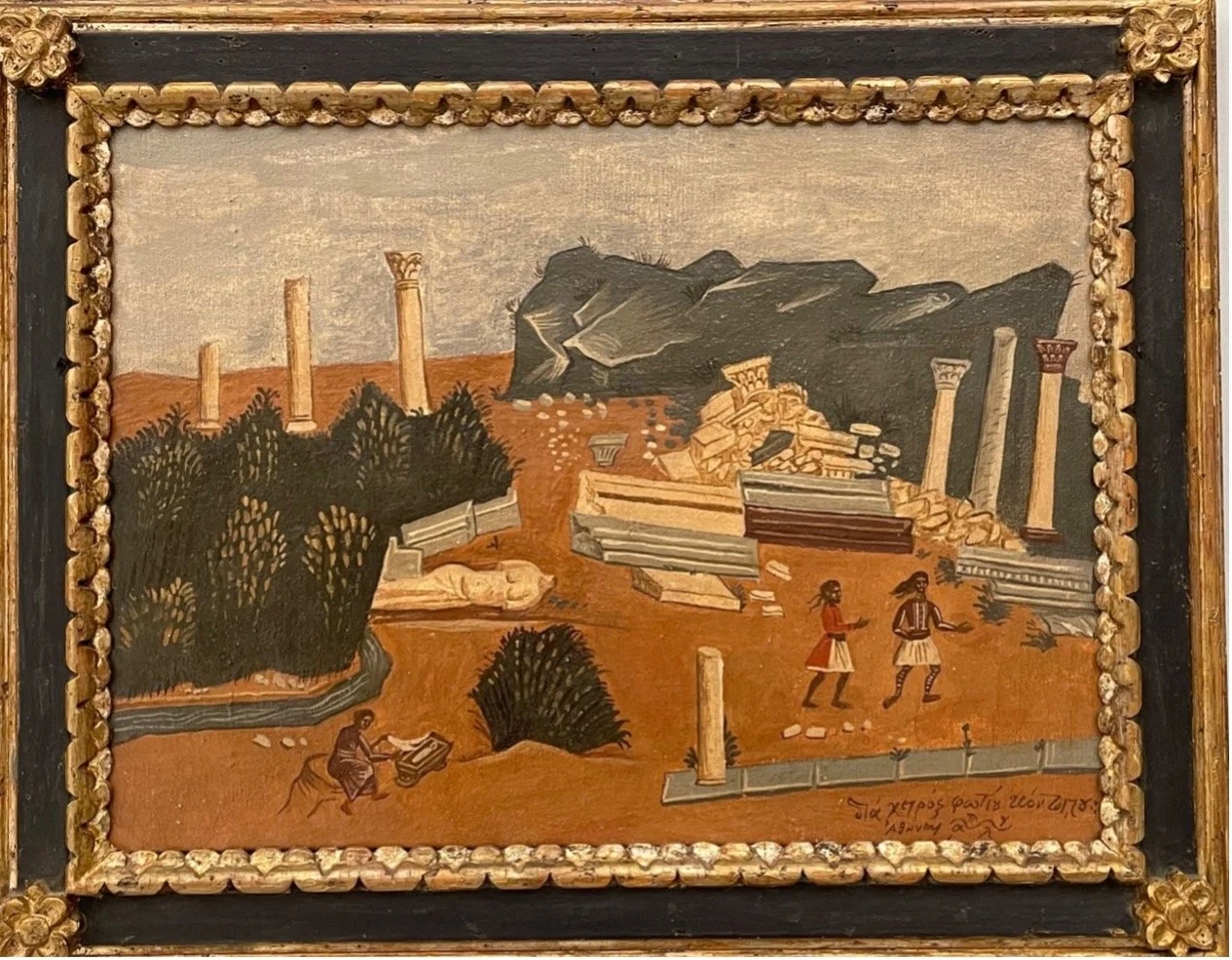
Fotis Kontoglou, The Three Epochs of Hellenism (1933; National Gallery, Athens).
Fotis Kontoglou, The Three Epochs of Hellenism (1933; National Gallery, Athens).
In Earthquakes and Gardens, Burrus pulls a few short lines from the very end of Jerome’s Life of Hilarion and applies immense analytical pressure to them. It is a mode of historiography as spoliation.
Read MoreEarthquakes and Gardens: Book Review Forum
This review panel features responses from a range of scholars working in Biblical Studies and late antiquity, originally shared at the 2025 Annual Meeting of the North American Patristics Society.
Read MoreDizzying Scales of Sacredness: On Supplements, Absorption, and Transcendence
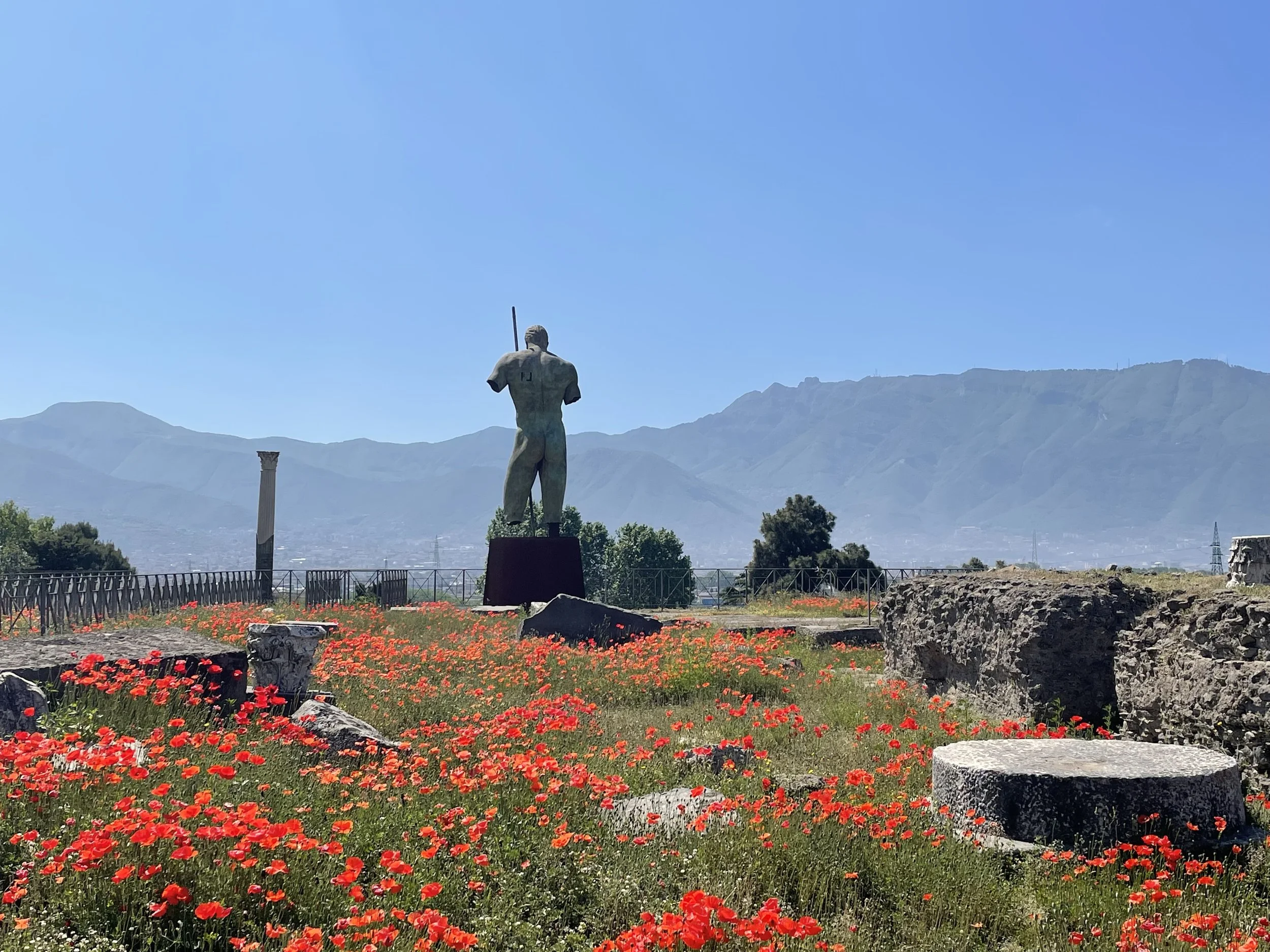
Image courtesy of John Penniman.
Image courtesy of John Penniman.
Historians often try to reconstruct places; they map areas to give readers a sense of a whole. I am grateful for that work. But Burrus reminds us that humans do not really experience places as whole.
Read MoreThe Fourth Synoptic Gospel: John’s Knowledge of Matthew, Mark, and Luke
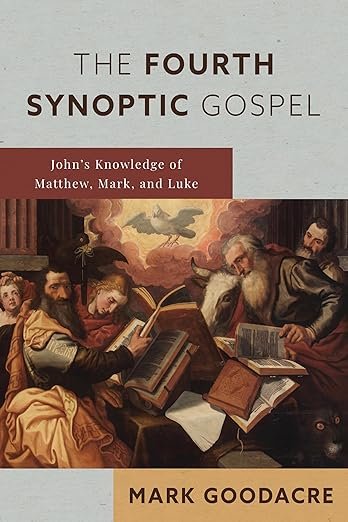
In The Fourth Synoptic Gospel, Mark Goodacre challenges this perspective and attempts to demonstrate that the author of the fourth gospel was not only aware of the Synoptic Gospels but also used them in the writing of their gospel text.
Read MoreSeneca’s Affective Cosmos: Subjectivity, Feeling, and Knowledge in the Natural Questions and Beyond
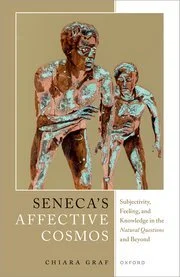
Graf serves as an able guide for readers through the complex ideas of Stoicism, Seneca’s philosophical vision, and affect theory. Readers less familiar with Senecan ideas will likely find this book a helpful introduction.
Read MoreUnfinished Christians: Ritual Objects and Silent Subjects in Late Antiquity
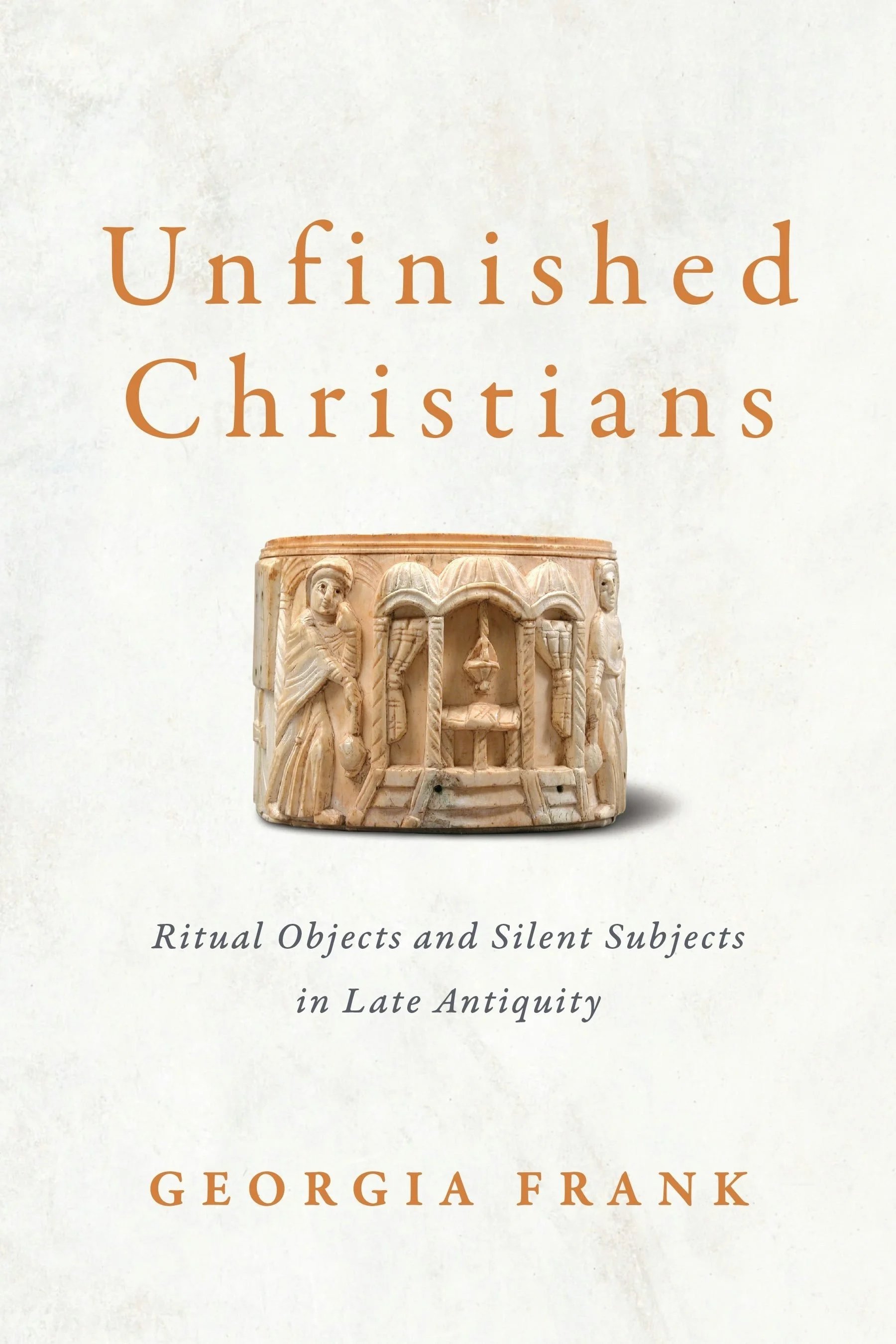
In Unfinished Christians, Frank focuses on literary records produced in and for shared spaces, liturgical and otherwise, where ordinary Christians would have gathered for various religious rites.
Read MoreThe Historical Talmud
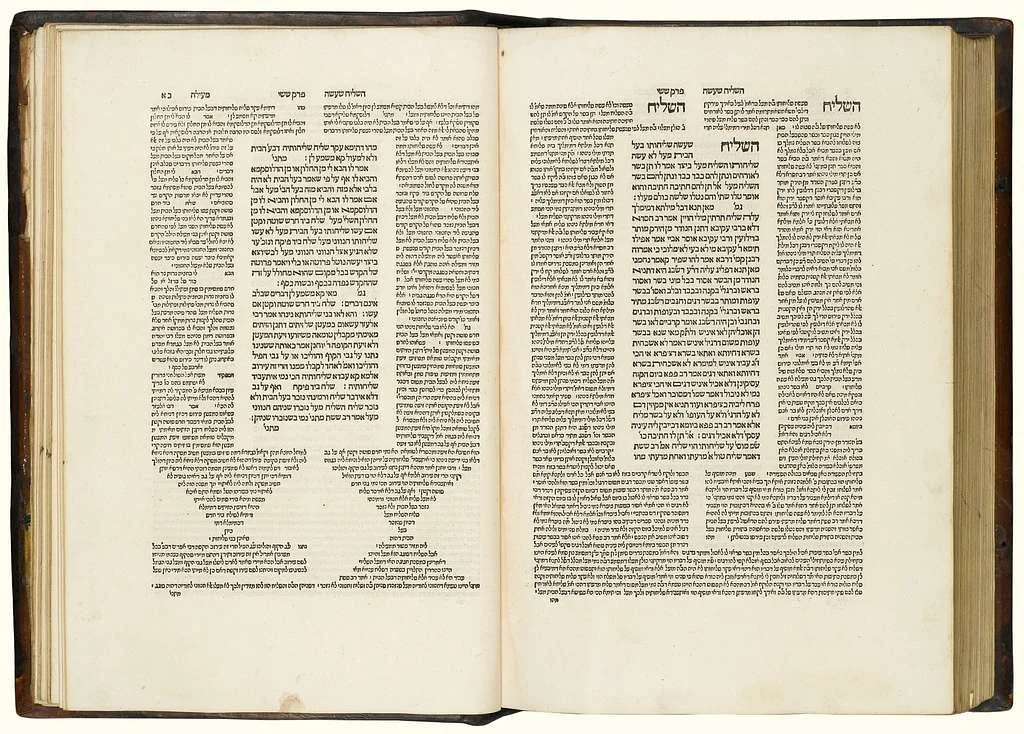
We may, in fact, be approaching a moment when historical literacy—much like philology—ought to be regarded as a basic expectation of rigorous scholarship on the Talmud. If so, the question before us is not only what the Talmud is, but also what forms of training, institutional support, and scholarly habits are required to render that question newly intelligible.
Read MoreBook Historical Bavli Questions
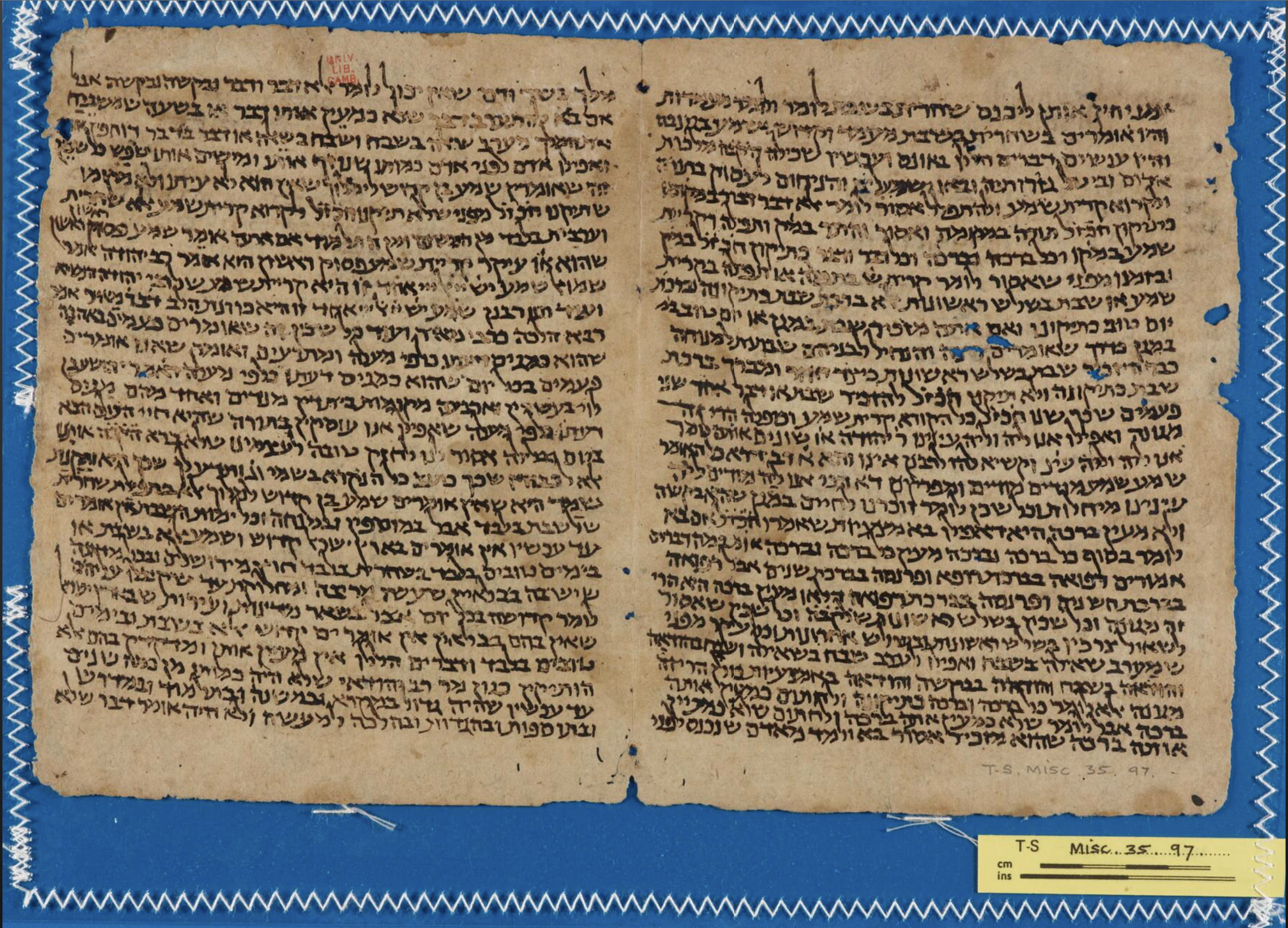


Pirqoi b. Baboi, Cambridge University Library Cambridge England Ms. T-S Misc. 35.97
Pirqoi b. Baboi, Cambridge University Library Cambridge England Ms. T-S Misc. 35.97
The book historical question that I will focus on here is the question of the Talmud’s initial reception, of what we may call its canonization. And I mean this not in the sense of its coalescing as a work, though that is still profoundly unclear, but in the sense of how the Talmud became the most central work for defining what Judaism is and should be—well before, even a millennium before, it became a popular book and a part of popular piety.
Read More