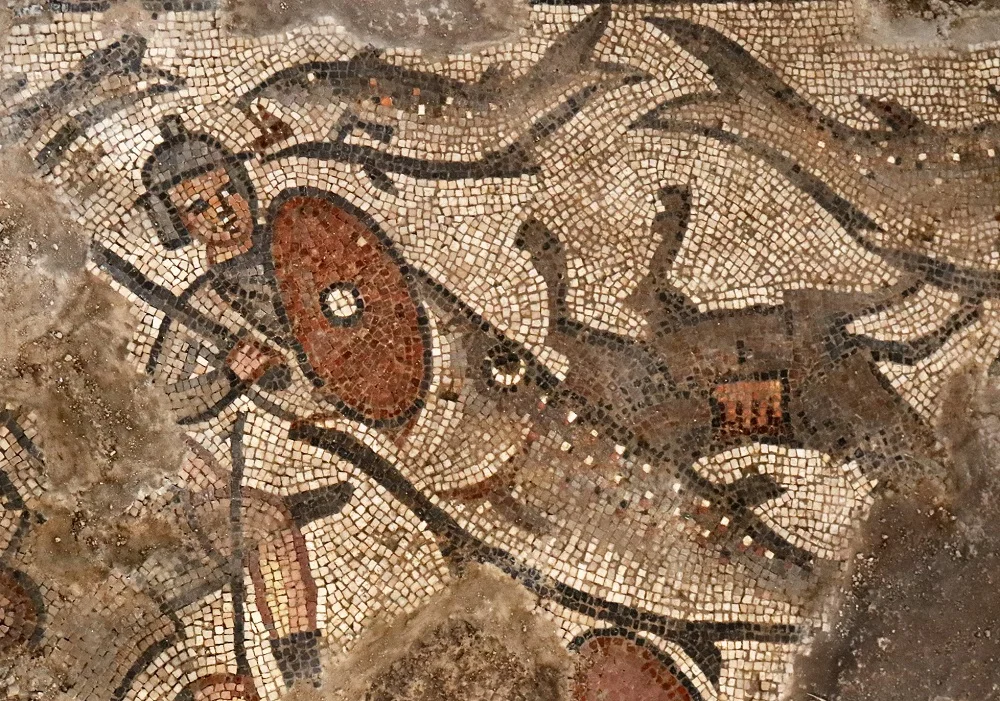
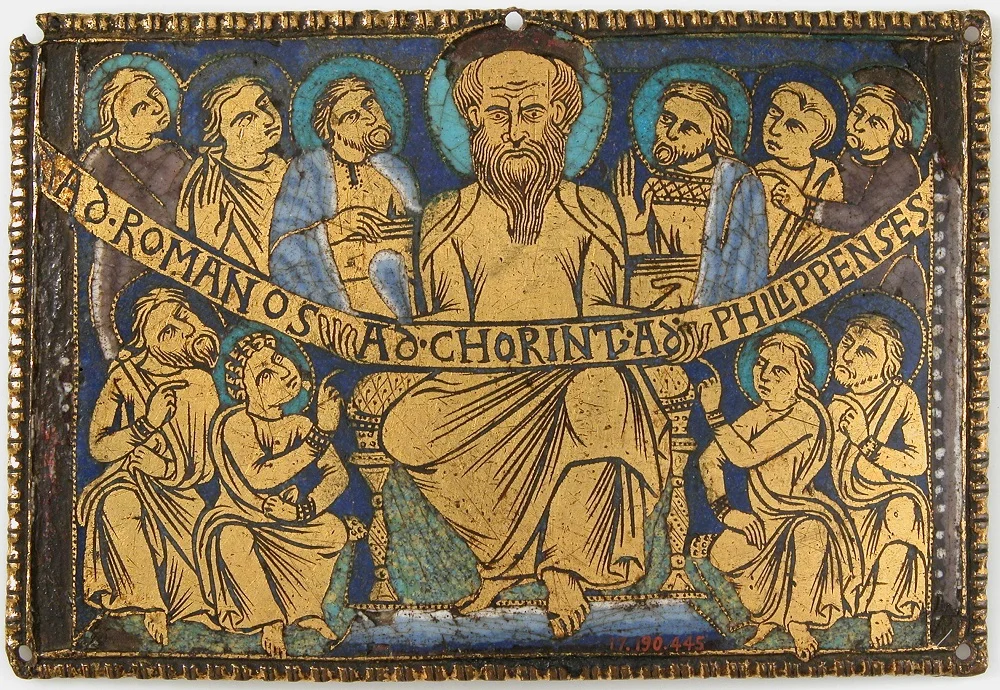
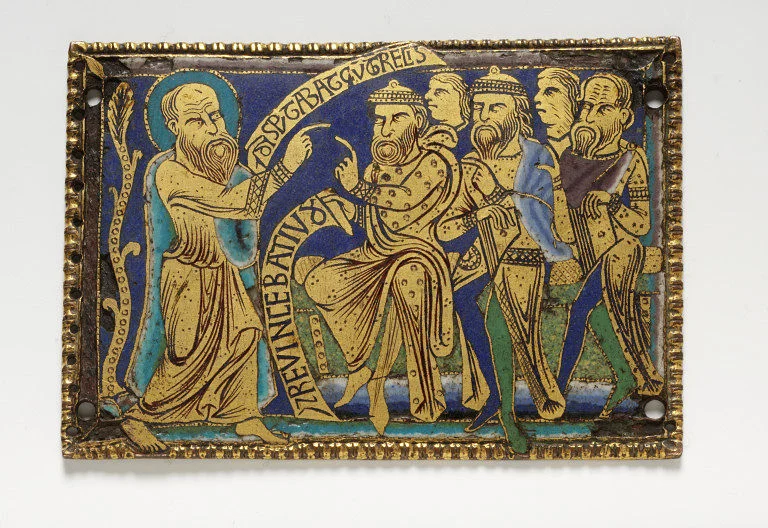
"Description and Redescription – the classic interrelated activities that animate critical scholarship on religion. This roundtable affords the chance to examine two books that push the descriptive and redescriptive envelopes in their sectors of biblical studies."
Read More
"With careful attention to detail and broad usage of a wealth of sources, Payne systematically deconstructs this idealistic bifurcation between Christianity and Sasanian culture. However, Payne dismantles this historiographical narrative, while simultaneously offering a completely new perspective on Persian Christianity by examining the various ways that Christians participated in, transformed, and even claimed Iranian culture as part of Christian identity."
Read More
"Ultimately, I believe that a full understanding of Paul combines both of these interpretations, though with one additional element. It is perhaps a function of my age that I am more cynical than our two authors, but I am inclined to agree that Paul’s offer of cosmic rule for gentiles of faith has the ring of a marketing ploy."
Read More
The SBL 2016 Pauline Epistles Review Panel including J. Albert Harrill, Christine Hayes, and Stephen Young with Matthew Thiessen and David Kaden responding.
Read More
"Reading Thiessen and Kaden synoptically thus fosters debate over how best to relate globalization studies and biblical studies."
Read More
"While we cannot say that the text reflects actual debates that proponents of a virginal life were having, we can certainly point to it as an example of debates that they imagined they could or would have had similar confrontations. A close engagement with The Life of Saint Helia might therefore provide some insight into how the community—whether it be Priscillianist, Jeromian, or otherwise—attempted to locate themselves within the tradition of Scripture and its interpretation."
Read More
"The use of sarcophagus burial by Jewish patrons was a highly variable mode of cultural interaction, representing an ongoing negotiation of Jewishness by different individuals from different communities in the context of enduring cultural exchange."
Read More
Zachary Domach with an overview of Wilson's translation and commentary of The Sentences of Sextus: "his commentary exemplifies how a study of Sextus—and wisdom literature in general—reveals the intertwining of Greek, Jewish, and Christian thought as “actual ‘life’” in Late Antiquity."
Read More
Dr. Michael Swartz and Dr. Michael Satlow share a book that was an "unexpected influence" upon their academic work.
Read More
"One of Berzon’s constant reminders is that powerful ideologies and strategies of representation often strive to hide their own seams and points of tension, but that it is in the process of highlighting these very points of tension that they find themselves at their most reproducible but also at their most frail. The late ancient heresiologists cultivated strong rhetorics of exceptionality and mastery—the heresy hunter excelled at making discoveries and at flaunting erudition—but also rehearsed a discourse of fear of contagion, vulnerability, and epistemic overload."
Read More
"With one eye on Barr’s critiques and another on Guy Deutscher’s more recent linguistic work, she avoids a lexical-based approach and posits that a better method for identifying reflective thought on time is to appeal to an author’s syntax and “habital use” of language—ways by which the author directs the reader to concentrate on certain aspects of the world—and an author’s ability to do this transcends the sum of her lexical stock.
Read More
"Marx-Wolf demonstrates that these Platonist thinkers were closely connected despite the fact that one is a Christian and the other three are non-Christian. To this end, she reads these Platonists not in terms of different social or religious affiliations, but in terms of a shared paideia (2-3). She contends that this common formation explains elements of their thought that might otherwise be “surprising” such as Porphyry’s rejection of animal sacrifice."
Read More


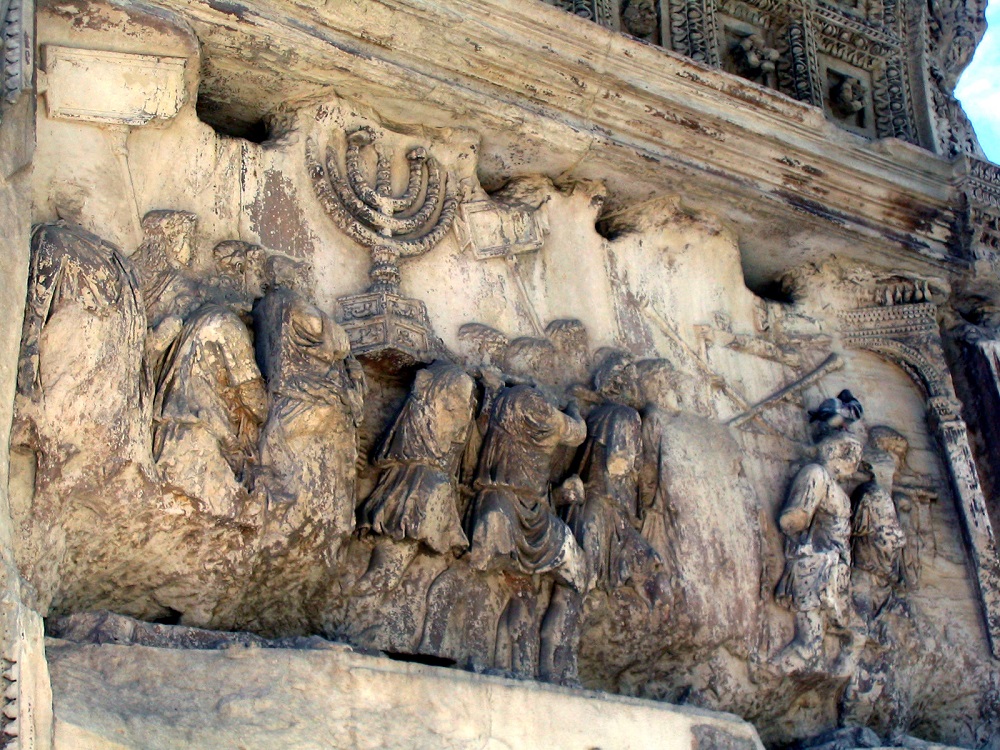
!["The Conversion of St. Paul" Benozzo Gozzoli on view in The MET 5th Ave Gallery 603 [public domain].](https://images.squarespace-cdn.com/content/v1/5449167fe4b078c86b41f810/1499706383897-RN9T2V6L61GA2B7F6ID0/image-asset.jpeg)