
Teresa Calpino responds to Maia Kotrosits’s Rethinking Early Christian Identity: Affect, Violence, and Belonging (Fortress, 2015).
Read MoreThe Codex of Feeling: Affect Theory and Ancient Texts

Image provided free through Unsplash
Image provided free through Unsplash
Donovan Schaefer responds to Maia Kotrosits’s Rethinking Early Christian Identity: Affect, Violence, and Belonging (Fortress, 2015) at the 2018 SBL review panel.
Read MoreEngaging with Intersectionality and 1st-2nd c. "Judaism"

Image provided free through Unsplash @chuttersnap.
Image provided free through Unsplash @chuttersnap.
Shayna Sheinfeld responds to Maia Kotrosits’s Rethinking Early Christian Identity: Affect, Violence, and Belonging (Fortress, 2015) at the 2018 SBL review panel.
Read MoreAntiquity on Display: The Armenia! Exhibit at the Metropolitan Museum of Art

Four Gospels in Armenian (1434/5 CE) - MET Collection
Four Gospels in Armenian (1434/5 CE) - MET Collection
This exhibition aims to showcase Armenia as an artistic civilization in its own right rather than a postscript to the more prominent and the better-known achievements of Byzantium or Near Eastern cultures.
Read MoreYear in Review: Top Ten Articles of 2018
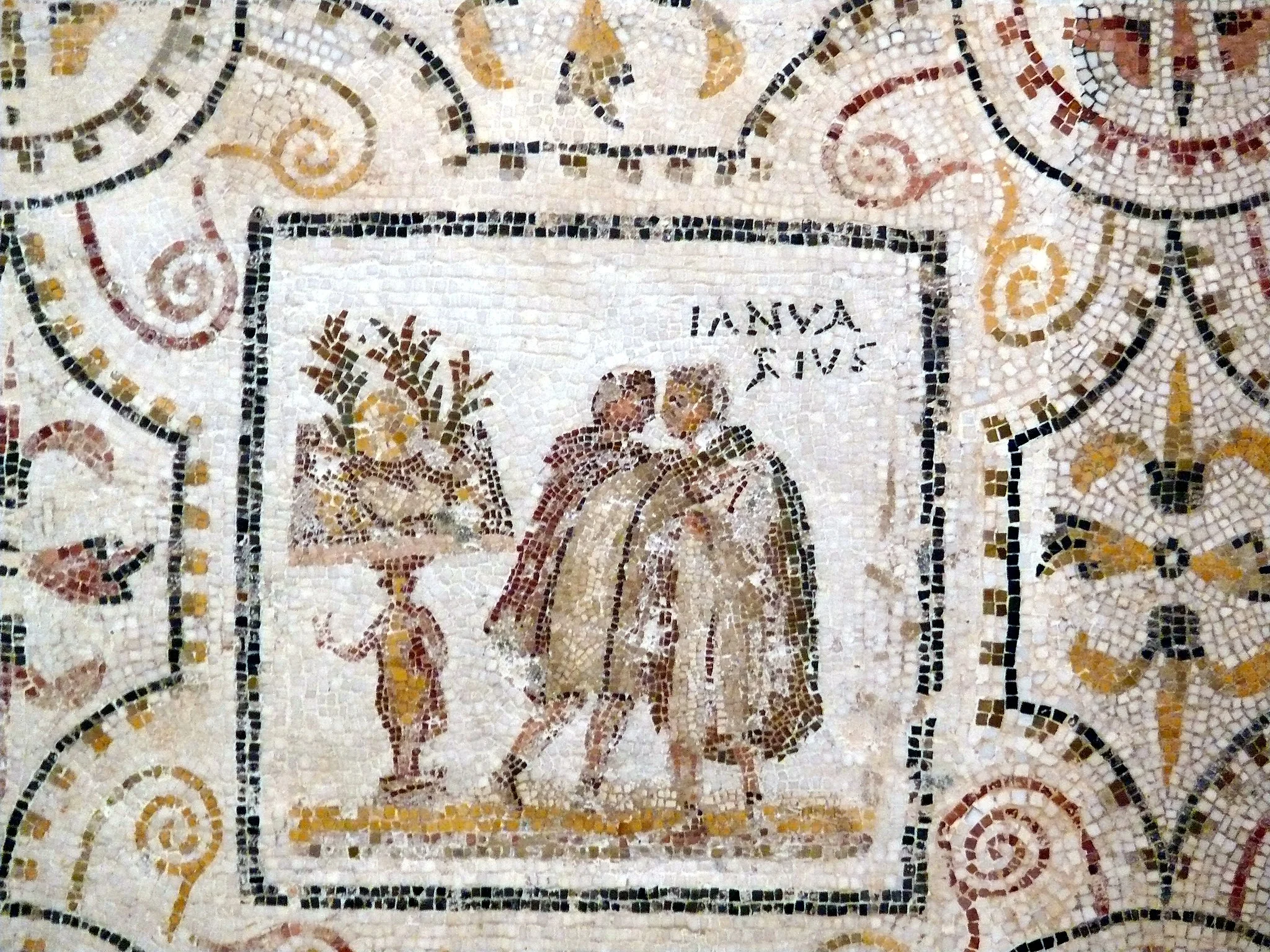
Mosaic from a series on the months of the year (early 3rd century CE). Image courtesy of Ad Meskins via Wikimedia Commons.
Mosaic from a series on the months of the year (early 3rd century CE). Image courtesy of Ad Meskins via Wikimedia Commons.
A list of our most popular articles from 2018.
Read MoreDissertation Spotlight | A Principio Reges: The Reception of the Seven Kings of Rome in Imperial Historiography from Tiberius to Theodosius
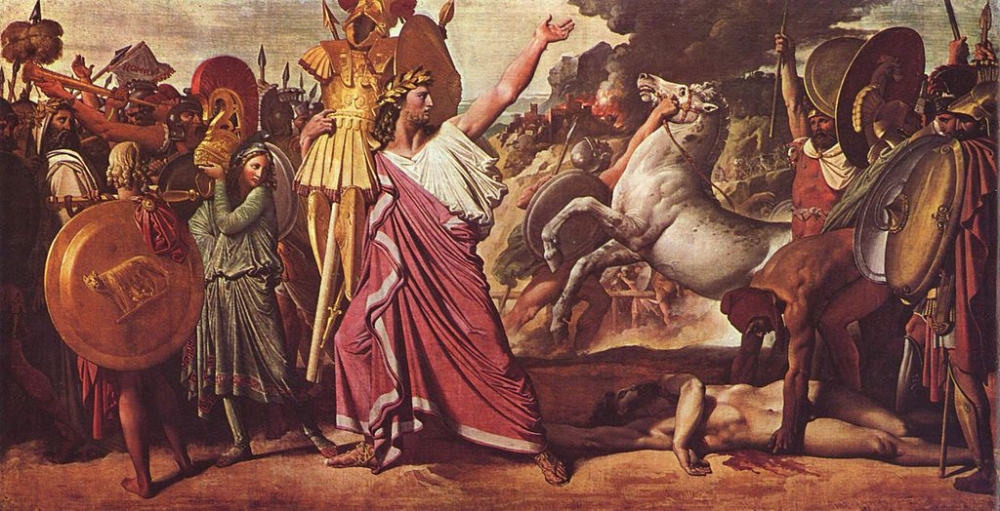
Jean Auguste Dominique Ingres, "Romulus, vainqueur d'Acron, porte les dépouilles opimes au temple de Jupiter" (1812), (Wikimedia Commons)
Jean Auguste Dominique Ingres, "Romulus, vainqueur d'Acron, porte les dépouilles opimes au temple de Jupiter" (1812), (Wikimedia Commons)
In my dissertation, I group twelve authors by chronology and language of writing. Chapter two treats Velleius Paterculus (d. 31 CE), Tacitus, and Suetonius (d. 126 CE), three authors separated by time, genre, rank, and aims, but unified in their approach to imperial history as in certain respects a recapitulation of regal history; determined by the ancestry of the Julio-Claudian emperors.
Read MoreTeaching Hebrew Bible with Creative Writing

“The Bible is, and will likely long continue to be, both building material and building. It’s a treasury of the ancient world, a storehouse in which lie a large percentage of the glittering gems which survived the ancient Levant in any form. And it’s a doorway through which the ancient Levant continues to shape the present, as well as the history of how this heritage has been repeatedly reshaped and by whom.”
Read MoreAmalasuintha: The Transformation of Queenship in the Post-Roman World

Diptych of Rufus Gennadius Probus Orestes, Ivory, ca. 530 CE (Victoria and Albert Museum)
Diptych of Rufus Gennadius Probus Orestes, Ivory, ca. 530 CE (Victoria and Albert Museum)
Unlike these Gothic queens, Amalasuintha was more than an instrument of diplomacy: she was diplomacy, a ruling mother who dealt with legates directly, without an interpreter since she knew so many languages
Read MoreGospels Before the Book

Ignoring, or at least unaware of, the disjointed discourses about gospel textuality and authorship within the first centuries of the Common Era, modern historians of ancient Christianity speak about first century gospel texts in ways unknown in the first and second century discourses about the gospel.
Read MoreDissertation Spotlight | Daniel Picus

Julius Fehr (German, 1860-1900) “A Rabbi scholar in his study”
Julius Fehr (German, 1860-1900) “A Rabbi scholar in his study”
“I argue that that the rabbis are deeply concerned with the form, format, and divisions of the biblical text, and that these aspects of the text have a crucial role in rabbinic understandings of the formation and transformation of the reader.”
Read MoreAncient Jewish Identity

Ivory casket that illustrated Joshua’s conquest of the Promised Land, 900–1000 CE. At the Metropolitan Museum of New York.
Ivory casket that illustrated Joshua’s conquest of the Promised Land, 900–1000 CE. At the Metropolitan Museum of New York.
“In Judaism, as we saw, a bad Jew was still a Jew. The belief in shared ancestry was the anchor that permitted some to drift without breaking loose.”
Read MoreResurrection: Why, how, and for whom?

By shifting away from the relationship between resurrection and embodiment, I read “behind” or at least “around” the flashpoints surrounding the nature of the resurrected body.
Read MoreDuke/UNC CLAS Symposium Report | De Malo: Evil and Theodicy in Late Antiquity

This year’s conference took up discourse about evil in late antiquity as a test case. Might the ever-pressing issue of theodicy provide a topic on which authors of various late ancient pieties could both demonstrate their commonalities and distinguish their competing claims?
Read MoreDissertation Spotlight | Sarah Emanuel, "Roasting Rome"

© Rob Sample
© Rob Sample
As the title of this project suggests, Revelation “roasts” Rome—both humorously and via imagined incendiary flame (see Rev. 17:16; 18:8)—to the extent of creating a new world order in which the implied Jewish Other reigns supreme over and against the Roman imperial order.
Read MoreCovenant without Circumcision? What to Do with a Woman
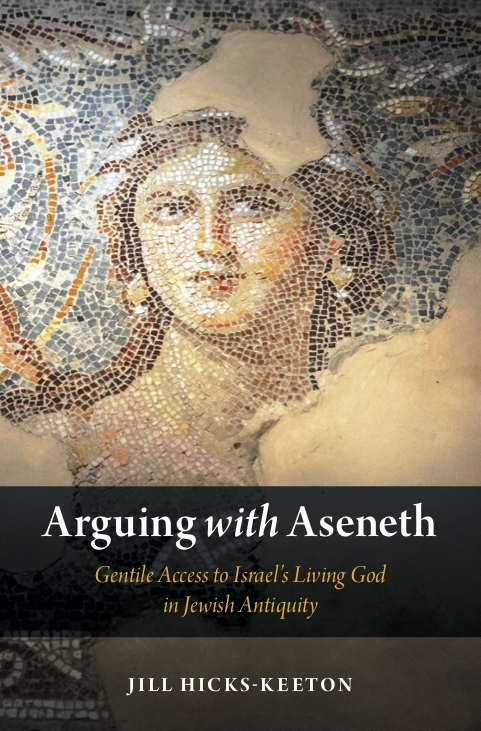
The character of Aseneth becomes transformed from material mother of the sons of Joseph to mythic mother-figure for the tribes of Israel and penitent nations who join in worshiping Israel’s God.She has become, in this ancient tale, a productive site of intervention in Israel’s story—a matriarch who matters in the history of and for the future of God’s covenanted community.
Read More“Not Veiled in Silence”: The Challenge of Writing about Early Christian Women

Helena as depicted in Piero della Francesca's Discovery and Proof of the True Cross (1447-1466). Image located in Basilica San Francesco in Arezzo, Italy. Courtesy of Angela Christman
Helena as depicted in Piero della Francesca's Discovery and Proof of the True Cross (1447-1466). Image located in Basilica San Francesco in Arezzo, Italy. Courtesy of Angela Christman
How did women of various regions, backgrounds, situations, and temperaments assume authority, exercise power, and shape both their legacy and the legacy of Christianity?
Read MoreA Wandering Jew: Some Reflections

A fresco found in Dura Europos depicting scenes from the Book of Esther.
A fresco found in Dura Europos depicting scenes from the Book of Esther.
Erich Gruen with a retrospective of his work: “If a consistent thread runs through my studies of Jewish history in the context of classical antiquity, it can be found in resistance to the common portrayal of Jews as victims.”
Read MoreA Manuscript of Exodus Wandering in the Wilderness
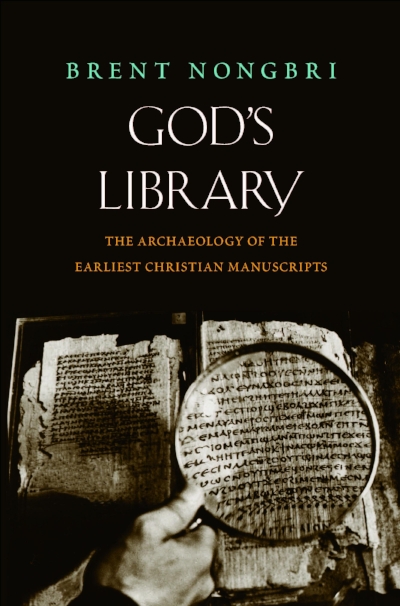
Ancient manuscripts are more than just carriers of texts. They are archaeological artifacts and deserve to be studied as such.
Read MoreCharting the Course: Using Maps for Pedagogical Progress

Babylonian Map ca. 6th century BCE (Wikimedia Commons)
Babylonian Map ca. 6th century BCE (Wikimedia Commons)
Borders change, today and throughout history. Incorporating maps into the classroom encourages the students to view this for themselves and to begin to understand the myriad of ways that politics shapes geographical borders.
Read MoreDissertation Spotlight | Scribal Habits in Selected New Testament Manuscripts, Including those with Surviving Exemplars
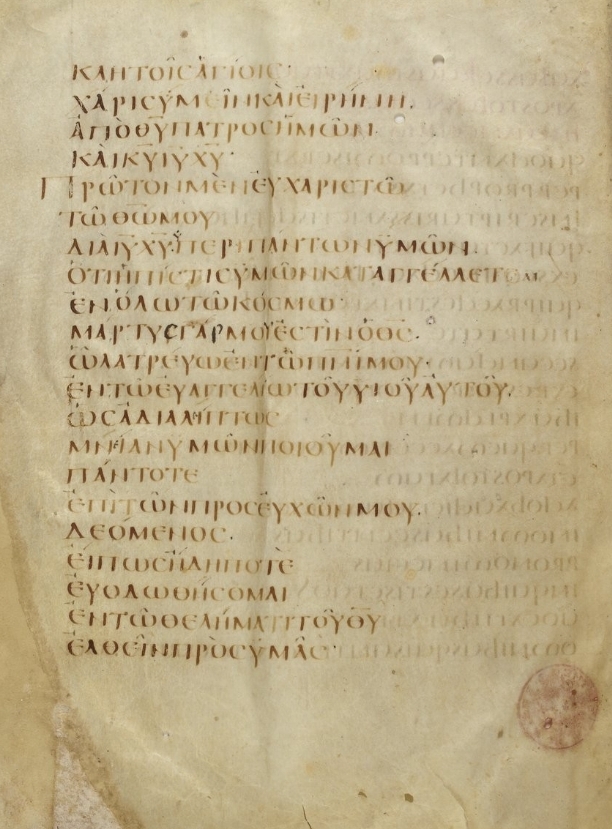
Codex Claromontanus: Romans 1:7-1 (Image courtesy of the Bibliothèque nationale de France)
Codex Claromontanus: Romans 1:7-1 (Image courtesy of the Bibliothèque nationale de France)
At the core of the dissertation, three chapters analyze the scribal habits of the copyists of various manuscripts.
Read More